How to Start a Vegetable Garden in a Small Backyard
Explore another practical gardening guide.
Gardening
Spring preparation is a sequence, not a single chore.
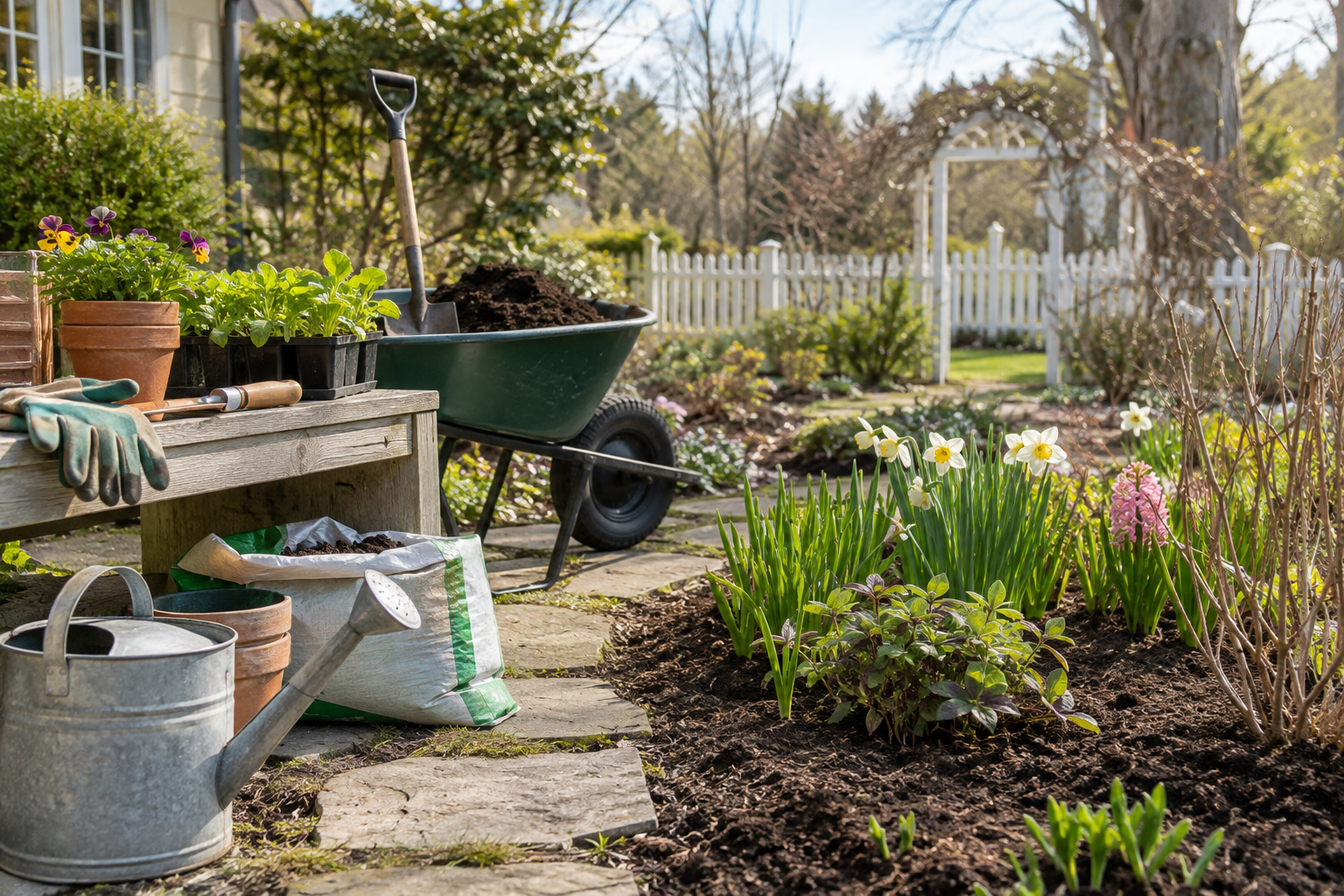
It is tempting to tackle everything at once. With Prepare Your Garden for Spring, begin by looking at what is already happening: notice the light at different times of day, the soil’s feel, and where water settles. Give yourself permission to begin with one small, useful check.
Keep the focus on cleanup, soil readiness, planting order. A quick note, measurement, or before photo can make the next choice clearer and prevent a purchase you do not need.
Pick one outcome you can actually see when you are done. For Prepare Your Garden for Spring, that might be a safer setup, an easier routine, or a space that works better on a normal day.
Before you begin, read the plant label, look at drainage, and make sure the season suits the task. If a label, local rule, lease, or manufacturer instruction says something different, follow that instead. For Prepare Your Garden for Spring, this is the check that keeps a small task from becoming a costly one.
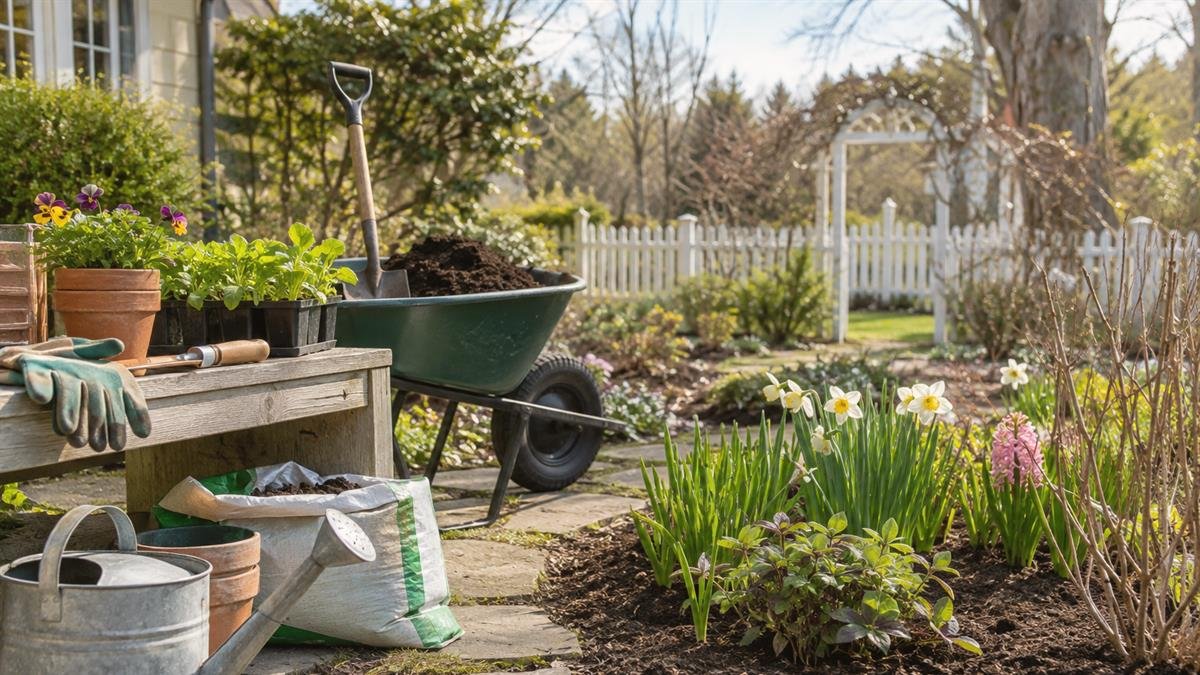
Take a photo before you touch anything; it is useful when you compare growth later. As you work on Inspect beds, keep cleanup, soil readiness, planting order in mind and adjust to what the space is telling you.
Keep the change small enough that you can see how the plant responds. As you work on Remove winter debris, keep cleanup, soil readiness, planting order in mind and adjust to what the space is telling you.
Use clean tools and leave room around stems and roots. As you work on Check tools, keep cleanup, soil readiness, planting order in mind and adjust to what the space is telling you.
Come back after a few days rather than trying to solve every symptom today. As you work on Add compost, keep cleanup, soil readiness, planting order in mind and adjust to what the space is telling you.
Write down what worked, especially if the weather changes. As you work on Plant according to local conditions, keep cleanup, soil readiness, planting order in mind and adjust to what the space is telling you.
| What to assess | Useful decision | Reason to pause |
|---|---|---|
| Current condition | Document the starting point for Prepare Your Garden for Spring | Damage, unsafe materials, or an unknown finish |
| Tools and products | Use only items suited to cleanup, soil readiness, planting order | Missing instructions, incompatible materials, or expired products |
| Result after the first change | Continue only when the response matches the plan | Staining, instability, plant stress, or a result that creates more work |
The easy mistake is to rush past the first observation. For Prepare Your Garden for Spring, avoid watering on autopilot, adding several treatments at once, or assuming every plant wants the same conditions. Small corrections are usually cheaper and kinder to the space than a dramatic fix later.
A helpful habit: Take one photo or jot down one observation before you start. That tiny record will make the next round of Prepare Your Garden for Spring much easier.
You are on the right track when you see new growth, leaves that hold their color, and soil that is neither waterlogged nor bone dry. That matters more than a perfect photo; it means the change is likely to hold up in everyday life. For Prepare Your Garden for Spring, let those signs guide the next small decision.
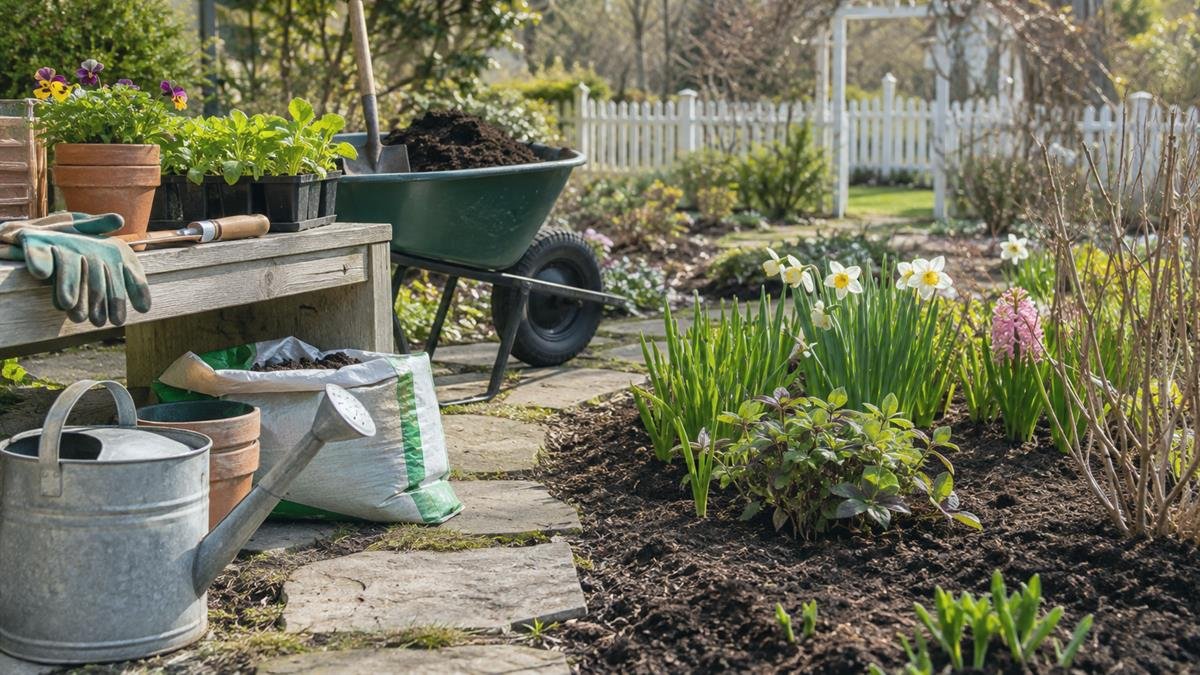
For Prepare Your Garden for Spring, start by noticing the light at different times of day, the soil’s feel, and where water settles. That gives you a more honest picture than a generic checklist.
Look for new growth, leaves that hold their color, and soil that is neither waterlogged nor bone dry. If you are unsure, change one thing, wait, and look again before adding more work. For Prepare Your Garden for Spring, that is a better signal than a rushed before-and-after.
Stop for safety risks, unknown damage, electrical work, gas, structural changes, major plumbing, or any condition you do not understand well enough to handle safely. For Prepare Your Garden for Spring, stopping early is usually the safest choice.
Give the result a little time. The best version of Prepare Your Garden for Spring is the one that still feels sensible next week, after the weather changes, the room gets busy, or the routine slips for a day.