How to Clean and Maintain a Deck
Keep outdoor wood in better shape between larger repairs.
Home improvement careers
A loose faucet, a tired deck, and a patchy lawn are everyday problems. Learning to solve them well can become the beginning of a useful local service.
A slow drain, a fence gate that will not close, and a dented wall all need judgment, patience, and a safe process. Those are the building blocks of a trade.
Home maintenance is a family of practical services, from outdoor care to regulated technical work. Start with a task you can learn carefully, practice safely, and deliver consistently.
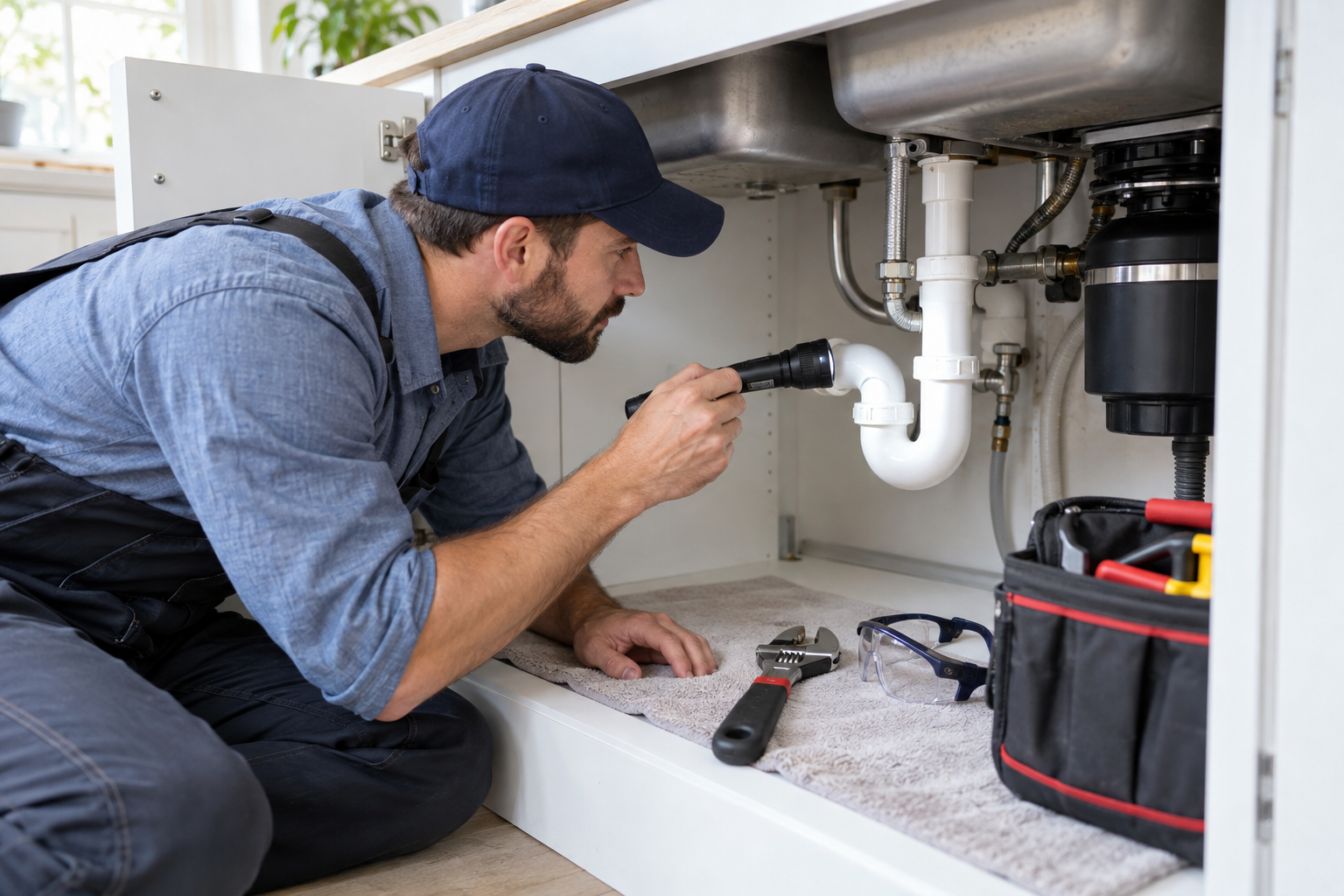
Plumbing maintenance covers visible, low-risk repairs such as changing faucet parts, clearing accessible traps, replacing a showerhead, and finding obvious fixture leaks. A beginner needs to understand shutoff valves, drain-versus-supply plumbing, thread sealing, and when a leak is beyond a simple repair. Basic tools include an adjustable wrench, tongue-and-groove pliers, basin wrench, flashlight, bucket, and towels. Practice on a disconnected fixture or your own accessible sink with the water off. Work involving main lines, concealed pipes, water heaters, sewer gas, or permits belongs with a licensed plumber where local rules require it. Reliable maintenance visits can grow into a professional service when the work is documented and the limits are respected.
Electrical knowledge is valuable, but it is not a casual DIY category. A future electrician learns circuit basics, safe testing concepts, grounding, code awareness, and how to identify a condition that needs a licensed professional. Start with theory, supervised training, and non-contact observation—not work inside panels or on energized equipment. A voltage tester, insulated hand tools, and labeled storage are not substitutes for qualification. Electrical faults can cause shock, fire, or death; many jurisdictions license this work. A professional path usually means an apprenticeship, approved training, and local licensing.
General repair covers sticking doors, loose hinges, torn screens, weatherstripping, and worn caulk. Start with a tape measure, level, screwdrivers, drill/driver, utility knife, clamps, and fasteners. Learn to measure carefully and to stop when a symptom points to moisture, pests, structure, or electricity. This is a practical path into handyman work because diagnosis matters as much as the fix.
Painting is preparation, surface repair, clean cutting-in, rolling, and cleanup. Learn how primer, sheen, humidity, and surface condition affect a finish. A brush, roller, drop cloths, painter's tool, and suitable respiratory protection are common basics. Practice on a sample board. Paid work that disturbs paint in older homes may trigger EPA lead-safe requirements; check local rules before offering the service.
Trim, shelving, gate repairs, and replacement boards teach layout, straight cuts, fastening, and level. A tape measure, square, saw, drill, clamps, eye protection, and hearing protection make a useful start. Practice on free-standing projects, not load-bearing framing. Finish carpentry and exterior repair can become services; structural changes often need permits or qualified help.
This work includes dryer-vent cleaning, washer leveling, water filters, door seals, and manufacturer maintenance schedules. Use the model manual, a nut-driver set, vacuum attachments, and cleaning brushes. Do not open sealed refrigeration systems, bypass safety devices, or service gas appliances without appropriate credentials. Careful preventive visits can be valuable before a failure becomes urgent.
Begin with filters, accessible condensate drains, debris clearance, and noticing airflow changes. Learn where routine upkeep ends and refrigeration, combustion, electrical, or duct work begins. Gloves, a vacuum, and manufacturer instructions are better beginner tools than refrigerant equipment. Gas furnaces, refrigerant circuits, and electrical diagnosis require trained, often licensed technicians.
Landscaping includes edging, mulching, suitable shrub pruning, bed refreshes, and simple borders. Learn plant identification, sun, drainage, pruning timing, and root behavior. Hand pruners, rake, shovel, wheelbarrow, gloves, and eye protection cover many early jobs. Avoid buried utilities. Tree climbing, large limbs, retaining walls, and chemicals call for specialists or further credentials.
Lawn care includes mowing, edging, leaf cleanup, overseeding, and spotting irrigation issues. Learn grass type, mowing height, blade care, and seasonal changes. A mower, trimmer, blower, hand spreader, and PPE are common tools. Pesticide and fertilizer rules vary widely and may require commercial certification. The professional advantage is consistency, not claims of an instant perfect lawn.
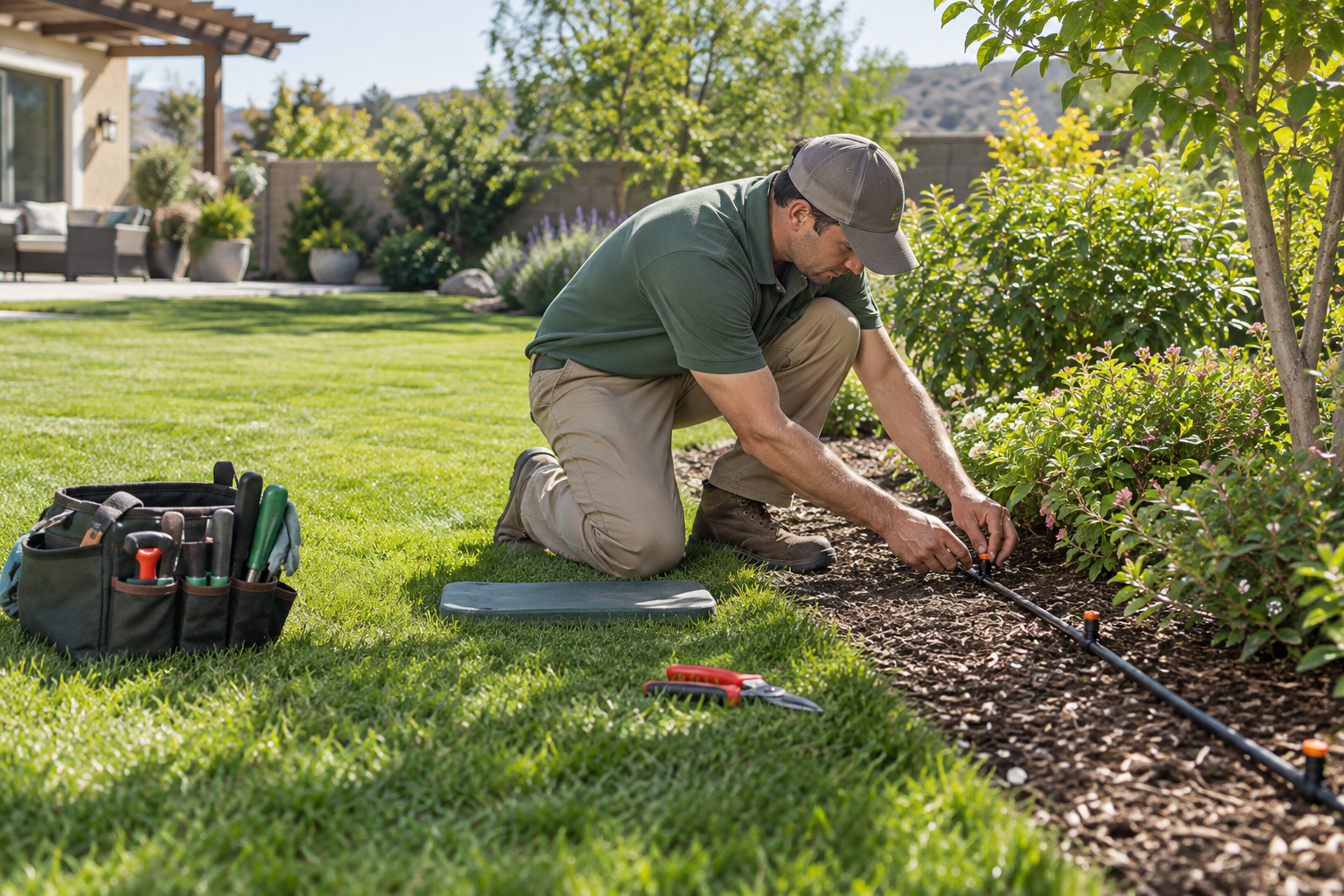
Start with sprinkler coverage, cleaning heads, visible drip-line connections, and controller programming under local watering rules. Learn zone maps, seasonal adjustment, shutoffs, and pressure basics. A small shovel, pruners, fittings, spare emitters, and a controller manual are useful. Check for utilities before digging. Backflow, electrical controls, buried main lines, and regulated connections need qualified help.
Typical work includes washing, checking fasteners, replacing isolated non-structural boards, tightening gates, staining, and sealing. Learn to spot rot, loose railings, ledger concerns, and failing coatings. A drill, pry bar, scraper, and appropriate protective gear are useful. Elevated or structural deck problems require qualified review; routine maintenance is a natural seasonal service.
Small holes and dents teach patch cutting, backing, taping, thin coats of compound, dust-controlled sanding, and priming. A drywall saw, putty knives, sanding block, compound, tape, and dust protection are common basics. Do not hide water damage without finding its source, and do not cut where utilities may run. Recurring cracks or sagging ceilings need further investigation.
Tile work requires flat, prepared surfaces plus good layout, thinset, spacing, cuts, grout, and appropriate sealing. Practice on a backsplash sample or dry-area board with a notched trowel, cutter, spacers, level, and eye protection. Shower pans, waterproofing systems, and structural floors are expensive places to learn without training and code knowledge.
The skill is selecting pressure, nozzle, cleaner, and distance for a surface—not blasting every stain. Learn runoff, ladder safety, vulnerable seals, and wood grain. A washer, hose, surface cleaner, footwear, eye, and hearing protection are basics. Never spray people, electrical equipment, windows, or loose siding. Exterior cleaning can become a focused seasonal service.
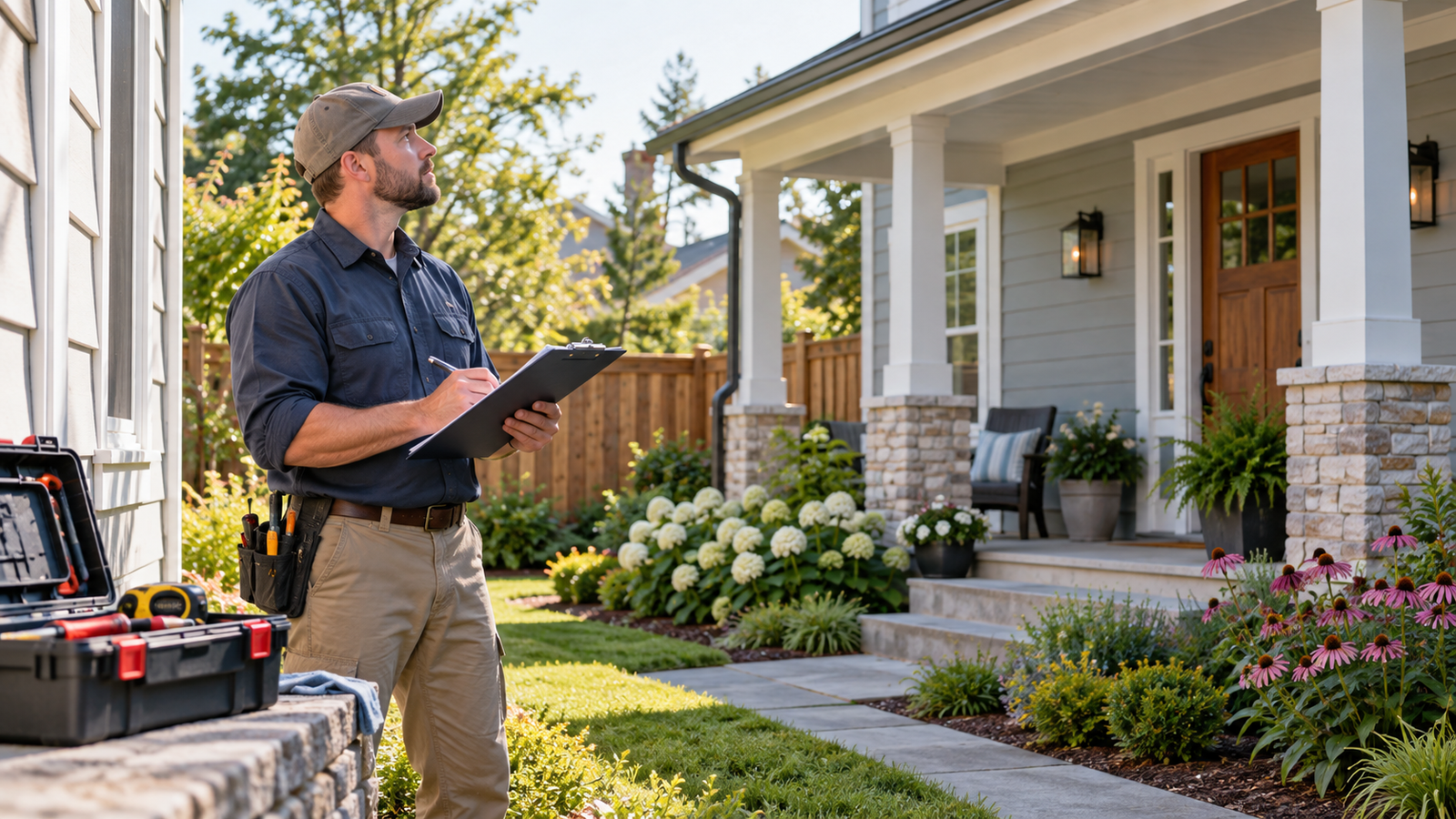
A maintenance visit can flag roof wear from the ground, drainage patterns, failed caulk, aging filters, and loose railings. Use a systematic checklist, flashlight, camera, notebook, and ladder only when safe. Formal home inspection is regulated in many places and can require licensing. Keep observations within your competence and recommend qualified follow-up where needed.
Electrical work can cause shock, fire, or death. Plumbing mistakes can create leaks, mold conditions, and structural damage. Gas, HVAC, roofs, and concealed building systems can require licensed professionals. Rules change by state, city, and country, so check the authority that governs the work where you plan to operate. Never take on a task just to save money or impress a customer when you do not have the training, equipment, insurance, or legal authority for it.
For older U.S. homes, lead paint is another serious consideration. The EPA explains that paid renovation, repair, and painting work in many pre-1978 homes can require lead-safe certification and practices. Treat safety rules as part of professional skill, not as paperwork added afterward.
General repairs, basic painting, small drywall patches, lawn care, and non-structural deck or fence upkeep are relatively accessible. They build habits around measuring, surface protection, cleanup, and clear communication.
Electrical, gas, HVAC, major plumbing, roof work, and formal inspections require more training because a mistake may endanger people, damage a building, or violate a code. Landscaping and irrigation become more technical when chemicals, drainage, utilities, or regulated water connections enter the job.
These official YouTube embeds are useful for seeing terminology, tools, and workflow. They are learning aids, not substitutes for supervised training, code compliance, or a license.
The Home Depot's workshop introduces basic electrical concepts and safety features. Use it to understand the language of the trade before pursuing hands-on instruction.
This Old House shows a professional teaching apprentices how pipe fittings and drain-stack assembly fit together. It is valuable context for anyone considering formal plumbing training.
Ask This Old House demonstrates several ways to patch drywall holes, including how the patch is supported and finished before paint.
You do not need to master all 15 areas to begin. Choose one safe, useful skill that fits your interest and your local rules. Learn its standards, practice until your work is tidy and repeatable, and let the next skill grow from there. A good maintenance professional is known as much for judgment and reliability as for the tools in the truck.