How to Set Up a Comfortable Small Patio
Explore another practical outdoor living guide.
Outdoor Living
Privacy can be created gradually with layers instead of one solid barrier.
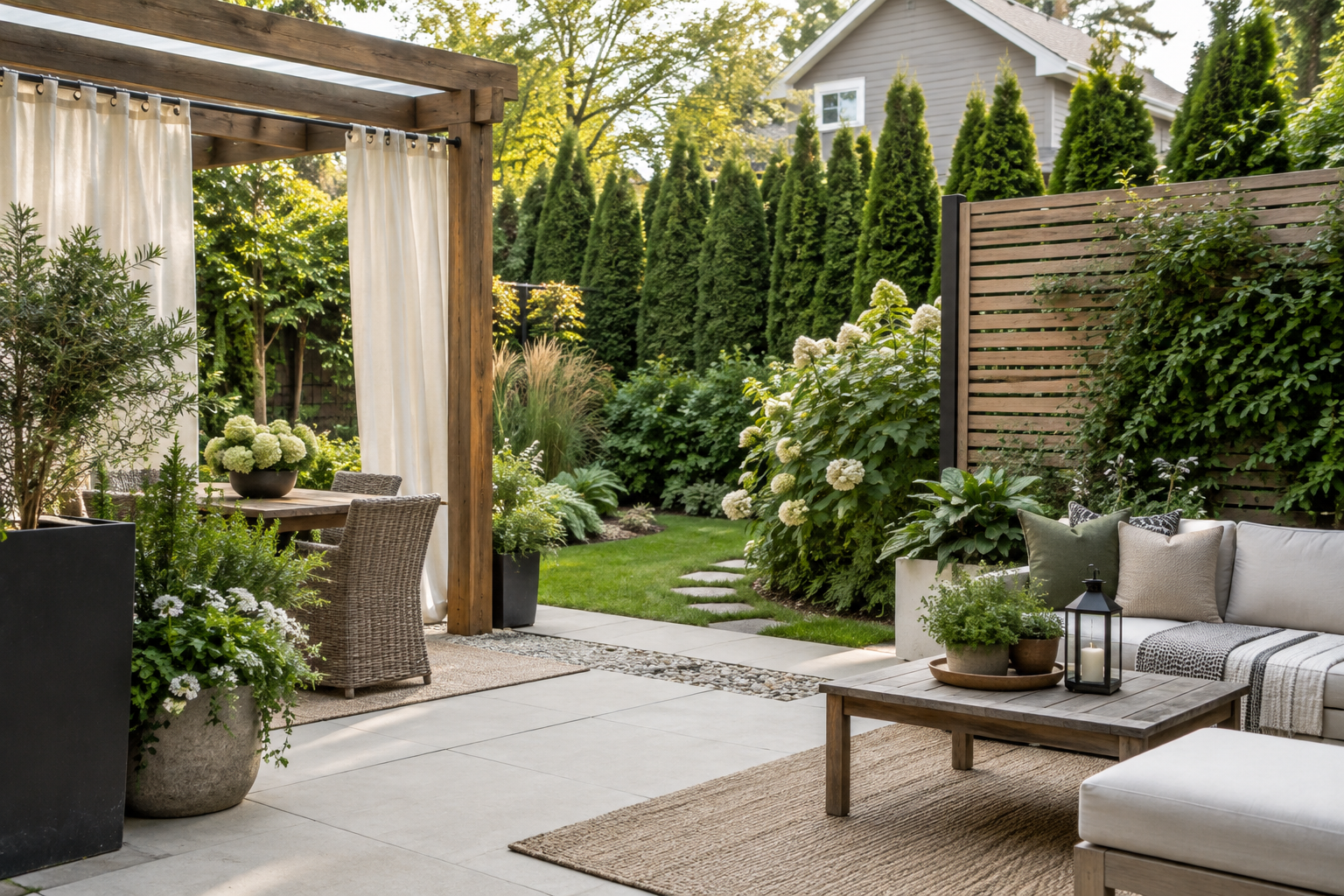
Privacy can be created gradually with layers instead of one solid barrier. The most durable choice comes from planning around the view from the seat, window, or patio that actually needs screening. In this guide, the practical focus is screening, sight lines, and local rules.
Backyard privacy does not always require a solid fence. A carefully placed screen, trellis, container planting, shade structure, or layered planting can interrupt the specific view that feels exposed while preserving light, airflow, and access. Start by identifying the sight line you want to change, then check boundaries and local rules before installing anything permanent.
Observe the area at different times of day and check the condition of surfaces, fasteners, nearby plants, and drainage. Begin by checking property lines, mature plant size, and neighborhood rules. For create privacy in a backyard without building a fence, the first step is to decide what a useful outcome looks like in this particular space.
Stand at the places you actually use—seating, a patio door, a hot tub, a garden path—and note where the view begins and ends. A narrow screen placed in the right spot can block a direct line of sight more effectively than a long barrier in the wrong location. Observe sun, wind, drainage, and access for maintenance. Check property lines, easements, homeowner-association rules, local height limits, and rental permissions before building, planting, or attaching a structure.
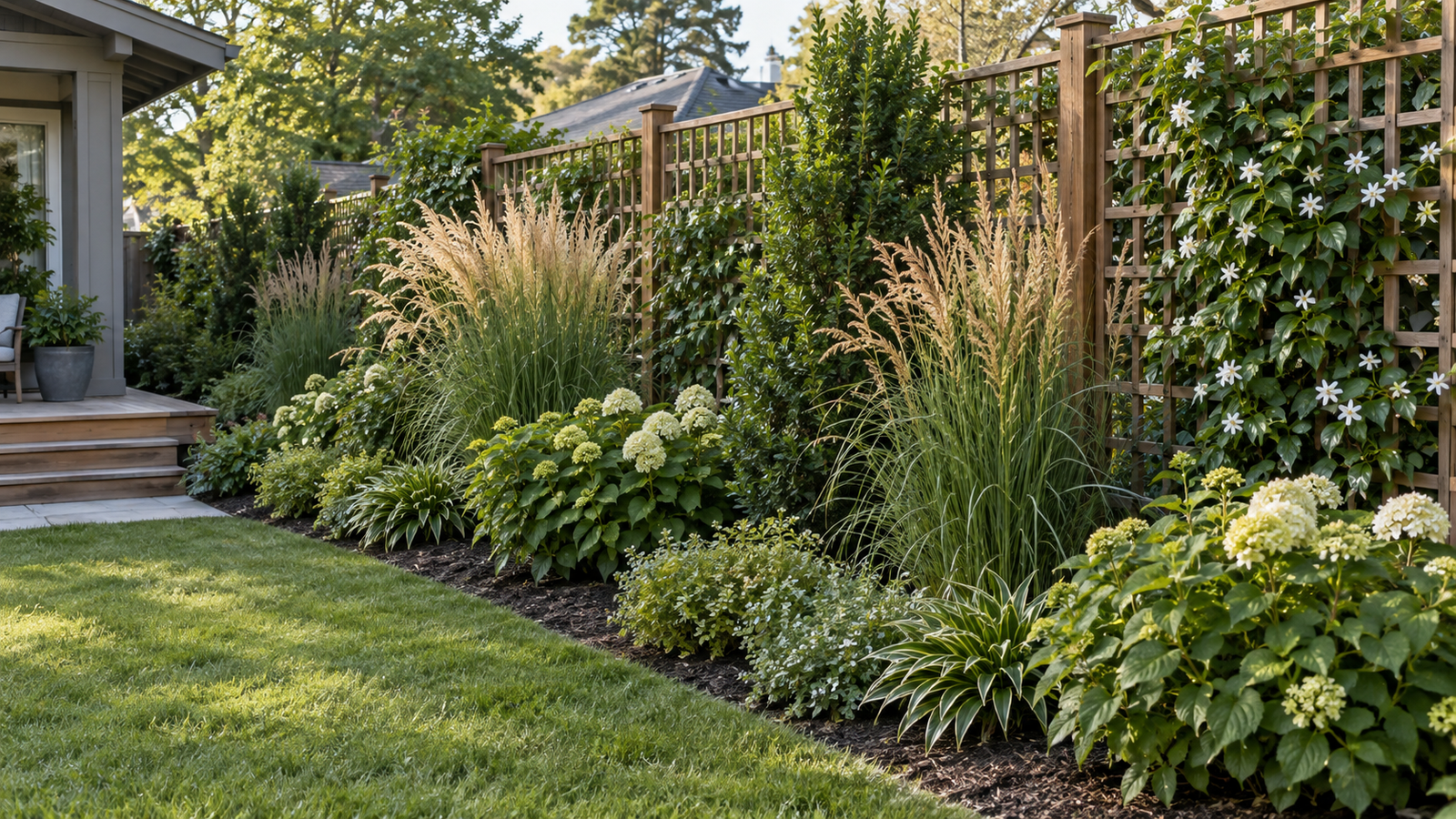
Combine a low foreground planter, a mid-height shrub or screen, and a taller trellis or tree where appropriate. Layering softens the view and can create privacy at the seated eye level without making the whole yard dark. Choose plant material for mature height, spread, root behavior, climate, and maintenance—not only for the size at purchase. A fast-growing plant can become a pruning problem or block a neighbor’s light if its mature size is ignored.
Containers offer a reversible option for patios and renters. Use stable, appropriately sized pots, position them before filling with soil, and plan a watering routine. In windy sites, light planters and tall plants may need safe stabilization. Do not block drainage, gates, paths, or emergency access. A few healthy containers usually provide more privacy than an overcrowded collection that cannot be watered or maintained.
A freestanding screen or trellis must be designed for its wind exposure and support. Do not attach a structure to a fence, wall, or deck without knowing whether it can carry the added load. Use outdoor-rated materials and fasteners, and inspect them after storms. Climbers can create a living screen, but they need time, support, pruning, and a plant choice suited to the light. Do not assume a vine will remain lightweight or harmless to an existing structure.
Use shade sails, umbrellas, or pergola-like structures only where local rules and manufacturer instructions permit them. These elements can affect views, wind loads, drainage, and neighbor relationships. Keep structures within your property and avoid a solution that directs runoff or debris toward another yard.
Living privacy changes seasonally. Deciduous plants may screen well in summer but not winter; evergreen options can offer year-round coverage but need adequate spacing and light. Use a temporary screen or fabric rated for outdoor use while plants establish, then remove it when the planting can do the job. Record plant names and installation dates so pruning, watering, and replacement decisions are based on the actual growth pattern.
Talk with neighbors when a planned screen may affect a shared view, access, or maintenance space, but do not rely on an informal conversation in place of local rules or required approval. Keep plants and structures on your property, allow room for future pruning, and do not place a privacy solution where it blocks a utility route or creates a blind spot at a driveway or gate. Good privacy should not create a safety problem for anyone using the property.
Consider sound as well as sight. Dense planting, soft furnishings, and a small water feature may change how an outdoor area feels, but they do not create complete soundproofing. Avoid promises a screen cannot deliver. Focus on making the seating or activity area feel more sheltered and comfortable rather than trying to eliminate every neighboring sound.
After installation, sit where you normally sit and check the view, airflow, shade, and access. Adjust a portable screen or container before adding more materials. Inspect anchors, planters, and new plants after wind and rain. Privacy is most successful when it improves the yard without making it harder to care for, move through, or share responsibly.
Start with safety and stability before adding anything decorative.
Walk the route as a guest would and notice where movement feels awkward.
Plan for sun, rain, and wind rather than the best-looking moment of the day.
Check fittings and surfaces after the first use or weather change.
Leave yourself an easy cleanup and storage routine for the next time.
Choose materials that suit the actual exposure, leave access for cleaning and maintenance, and correct small hazards before decorating. Weather, moisture, and weight limits matter as much as appearance outdoors. For this project, return to the original purpose—screening, sight lines, and local rules—whenever a choice adds cost, complexity, or maintenance.
In backyard privacy without fence, keep access and drainage clear, secure items for the site conditions, and treat loose, damaged, or load-bearing features as repair issues rather than ordinary upkeep.
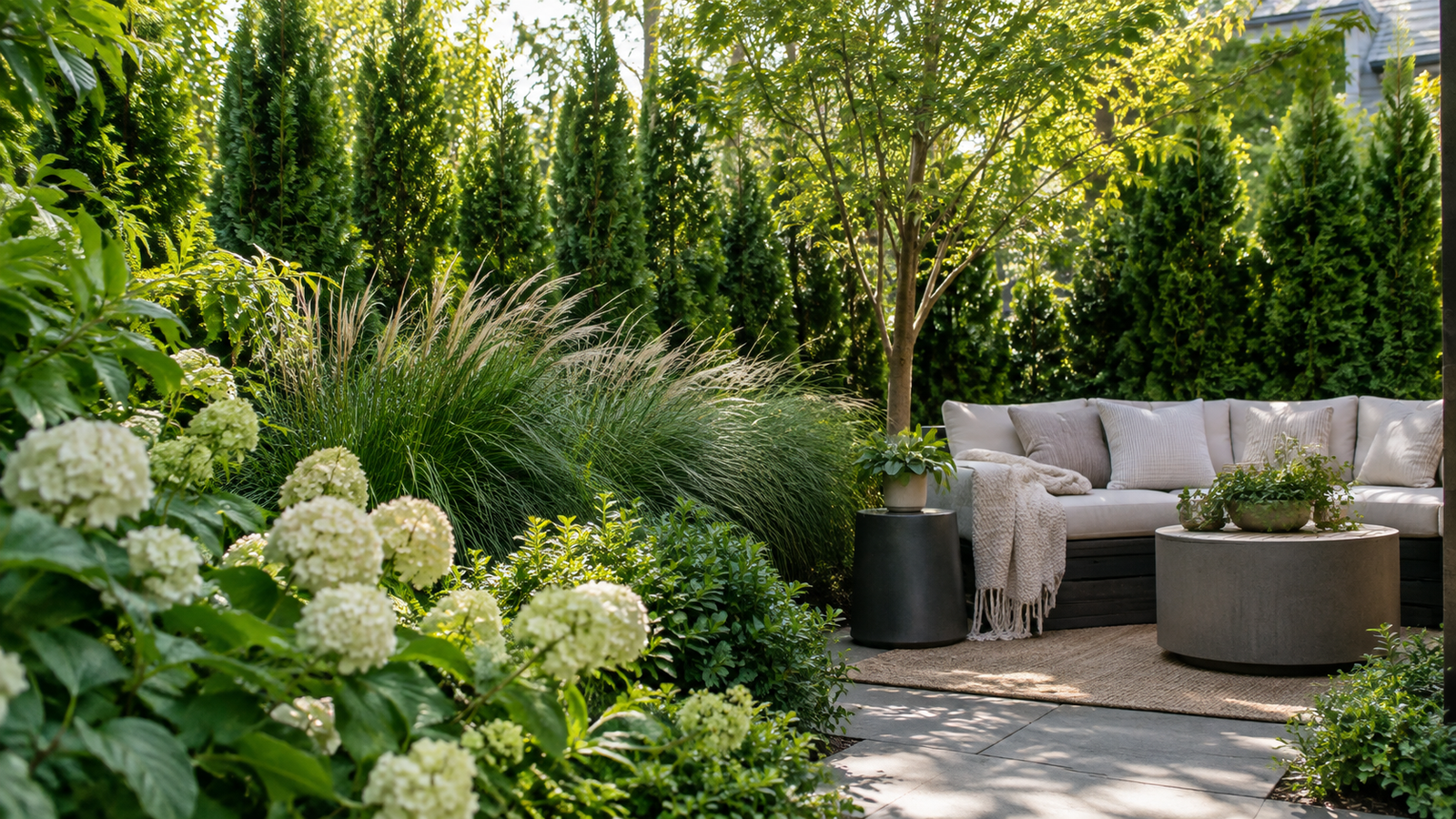
For ackyard rivacy ithout ence, inspect the space after the weather condition most likely to affect it and adjust only the feature causing the problem.
Start from the places where privacy is actually needed: a seating area, kitchen window, or neighboring upper view. Use a mix of containers, trellises, shrubs, or shade elements only when they suit the light, root space, and local property rules. Check mature width and height before planting, leave access for maintenance, and avoid placing dense screens where they trap water or block required clearances. A gradual layered solution can be adjusted as plants grow and is often easier to maintain than an instant, oversized barrier.
For backyard privacy without fence, record the observation that changes the next decision: a leak, finish failure, unsafe access, persistent odor, or repeat damage. If an exposed sight line remains after a seasonal planting matures, seek the appropriate help rather than treating it as routine care.