How to Set Up a Comfortable Small Patio
Explore another practical outdoor living guide.
Outdoor Living
Outdoor furniture lasts longer when materials match the conditions.
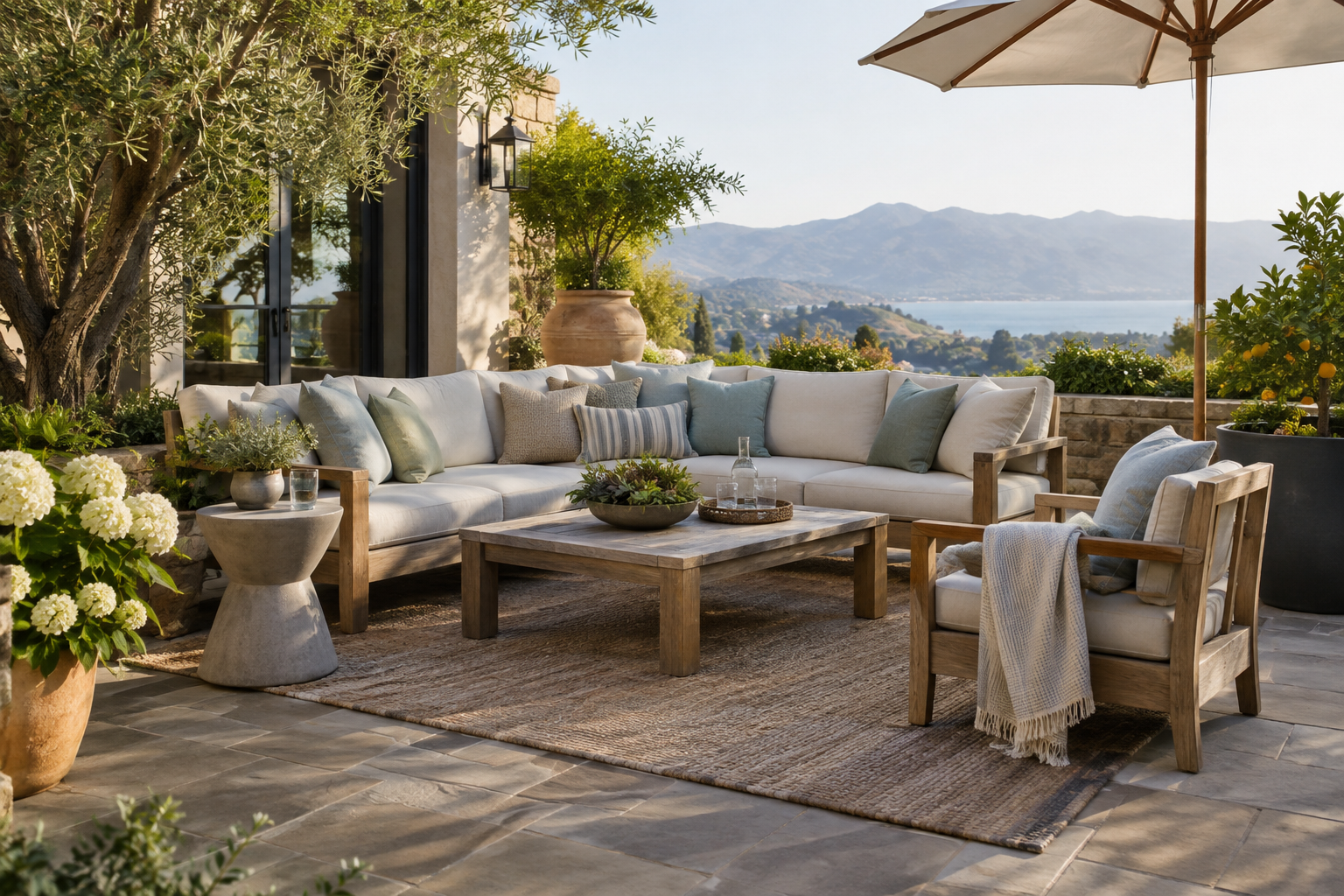
Outdoor furniture lasts longer when materials match the conditions. The most durable choice comes from planning around frame, fabric, and cover materials that match the actual exposure. In this guide, the practical focus is weather exposure, materials, and maintenance.
Outdoor furniture is an exposure decision before it is a style decision. Sun, rain, humidity, wind, salt air, freeze-thaw cycles, and storage access all affect what will remain comfortable and safe. Start by observing the exact location, then choose materials and cushions that fit the climate and the maintenance you are realistically willing to do.
Observe the area at different times of day and check the condition of surfaces, fasteners, nearby plants, and drainage. Begin by checking the usable footprint, wind, rain exposure, and available storage. For choose outdoor furniture for your climate, the first step is to decide what a useful outcome looks like in this particular space.
Measure the usable area, confirm a clear route from the door, and check whether furniture will sit on a level, draining surface. Note afternoon sun, prevailing wind, roof runoff, sprinklers, and salty or humid air. A piece that looks suitable in a covered showroom may age quickly in direct sun or standing water. If the space is rented or shared, confirm rules for furniture, grills, storage, and attachments.
Powder-coated metal can be durable but may chip, rust at damaged areas, or become hot in direct sun. Aluminum is generally lighter and resists rust, but should still be checked for loose fasteners and finish wear. Wood needs a species and finish suited to outdoor use, plus periodic cleaning and protection; it can crack, fade, or grow mildew when neglected. Woven synthetic materials may resist weather well but can become brittle under intense ultraviolet exposure. Each material has tradeoffs, so use the manufacturer’s care guidance rather than a single universal rule.
Cushions need quick-drying, outdoor-rated fabric and a storage plan. Even weather-resistant cushions last longer when brought in before prolonged rain or stored dry in the off-season. Check zippers, seams, foam, and covers before purchase. A cover can protect furniture when it fits and allows moisture to escape, but a wet cover left in place can trap humidity against the surface.
Test chair movement, table clearance, and the path people use while carrying food or opening a door. Avoid lightweight pieces in windy locations unless they can be secured safely or moved easily. Check chair feet on the actual patio surface; uneven pavers or deck boards can make a comfortable chair unstable. Keep heat sources, grills, and fire features only where local rules, manufacturer clearances, and safe ventilation allow.
Buy fewer pieces with clear uses rather than filling every edge of a patio. A compact table and two supportive chairs may serve daily meals better than a large set that blocks circulation. Consider weight as well as appearance if furniture must be moved for storms, cleaning, or storage. The best setup supports the routine you will actually maintain.
Wipe spills promptly, brush away grit, and follow material-specific cleaning instructions. Inspect screws, welds, slings, and frames after severe weather. Store cushions and vulnerable pieces dry, and avoid stacking furniture in a way that bends frames or traps water. In frost-prone or storm-prone areas, a planned storage space can extend furniture life more than an expensive finish alone.
Before purchasing, ask who will move, cover, clean, and store the furniture. A beautiful wood set may be a poor choice if it will be left uncovered in a wet climate and no one has time for seasonal care. A lighter aluminum set may be easier to move, but needs wind planning. Choose removable, washable covers only when they can be dried and stored. Read warranty exclusions carefully; damage from weather, salt, standing water, or improper storage may not be covered.
Check replacement-part availability for cushions, feet, hardware, and fabric. A frame that can be repaired or recovered may be a better long-term value than a lower-cost set with no replacement options. Keep receipts, care instructions, and color information with household records. They help when parts, claims, or matching items are needed later.
Notice where furniture heats up, collects water, fades, or feels unstable. Adjust the layout, add shade where appropriate, or change the storage plan before damage becomes permanent. Outdoor furniture should make the space easier to use, not create a constant cycle of rescue cleaning and replacement.
Choose deliberately, maintain regularly, and store vulnerable pieces before conditions become severe. That approach protects both the furniture and the outdoor time it is meant to support.
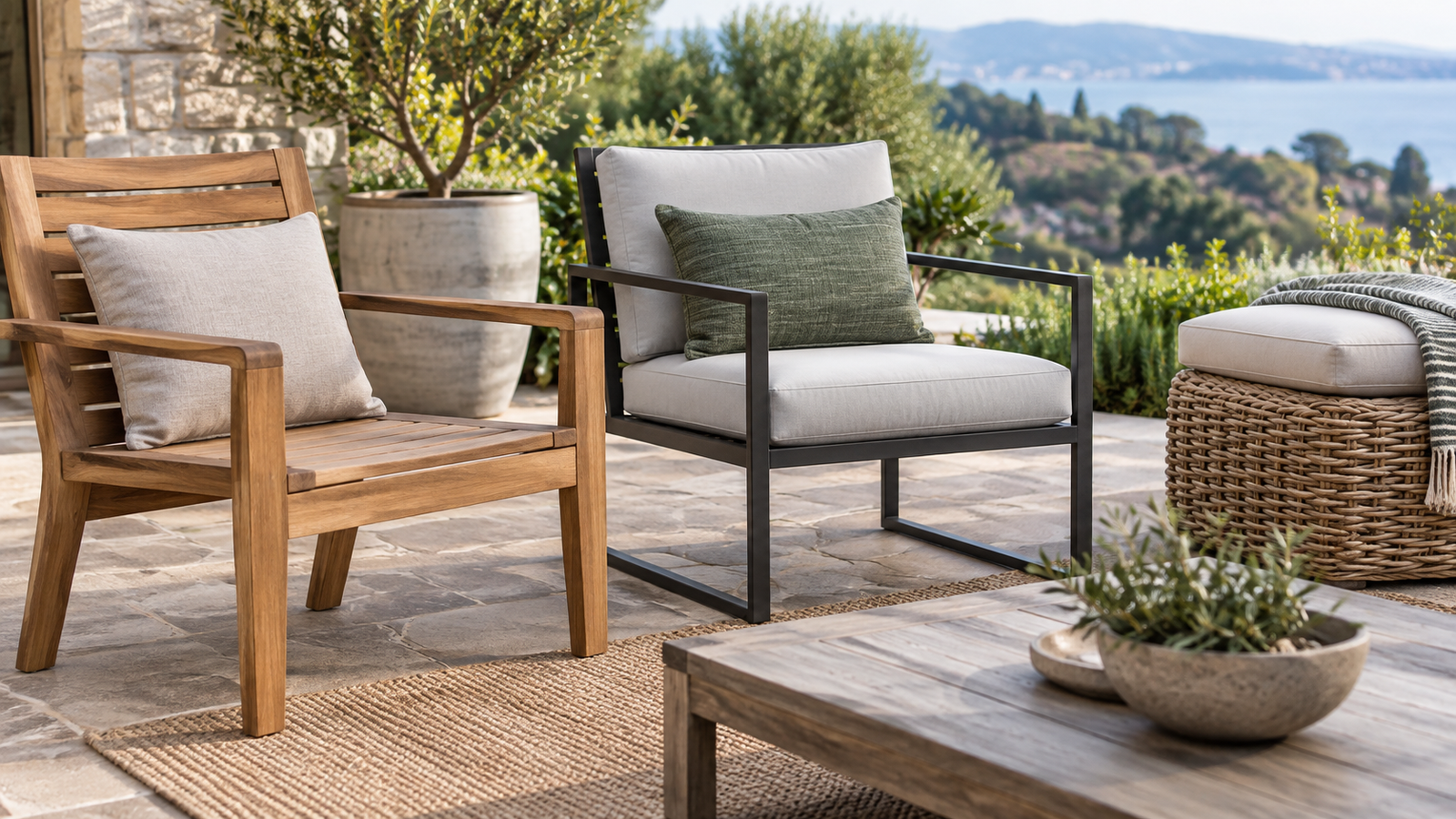
Start with safety and stability before adding anything decorative.
Walk the route as a guest would and notice where movement feels awkward.
Plan for sun, rain, and wind rather than the best-looking moment of the day.
Check fittings and surfaces after the first use or weather change.
Leave yourself an easy cleanup and storage routine for the next time.
Choose materials that suit the actual exposure, leave access for cleaning and maintenance, and correct small hazards before decorating. Weather, moisture, and weight limits matter as much as appearance outdoors. For this project, return to the original purpose—weather exposure, materials, and maintenance—whenever a choice adds cost, complexity, or maintenance.
In choose outdoor furniture, keep access and drainage clear, secure items for the site conditions, and treat loose, damaged, or load-bearing features as repair issues rather than ordinary upkeep.
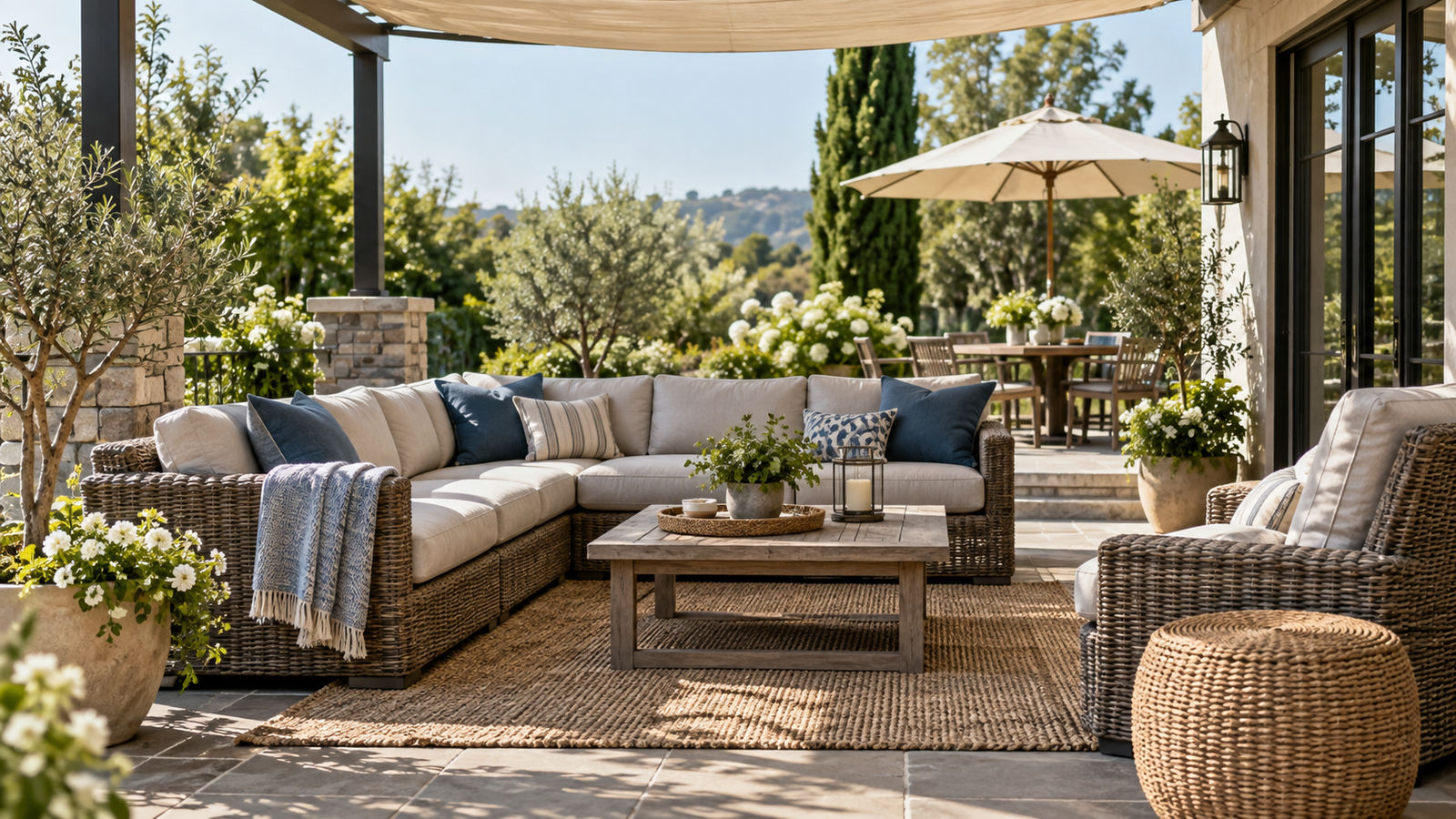
For hoose utdoor urniture, inspect the space after the weather condition most likely to affect it and adjust only the feature causing the problem.
Read the maker's care instructions before choosing a material. Metal, wood, resin, wicker, fabric, and cushions respond differently to sun, salt air, freezing weather, and standing water. Measure doors and gates as well as the patio, and confirm chairs can be pulled out without blocking a route. Use covers only when the furniture is clean and dry, secure lightweight pieces in wind-prone places, and repair loose fasteners before use. A smaller set that fits and can be maintained is more useful than crowded seating.
Before purchase, sit in the chair and check seat height, back support, and table clearance. Comfort is a practical durability test: furniture that is awkward to use is likely to become unused clutter.