How to Choose Outdoor Furniture for Your Climate
Explore another practical outdoor living guide.
Outdoor Living
A small patio feels generous when it has one clear job.
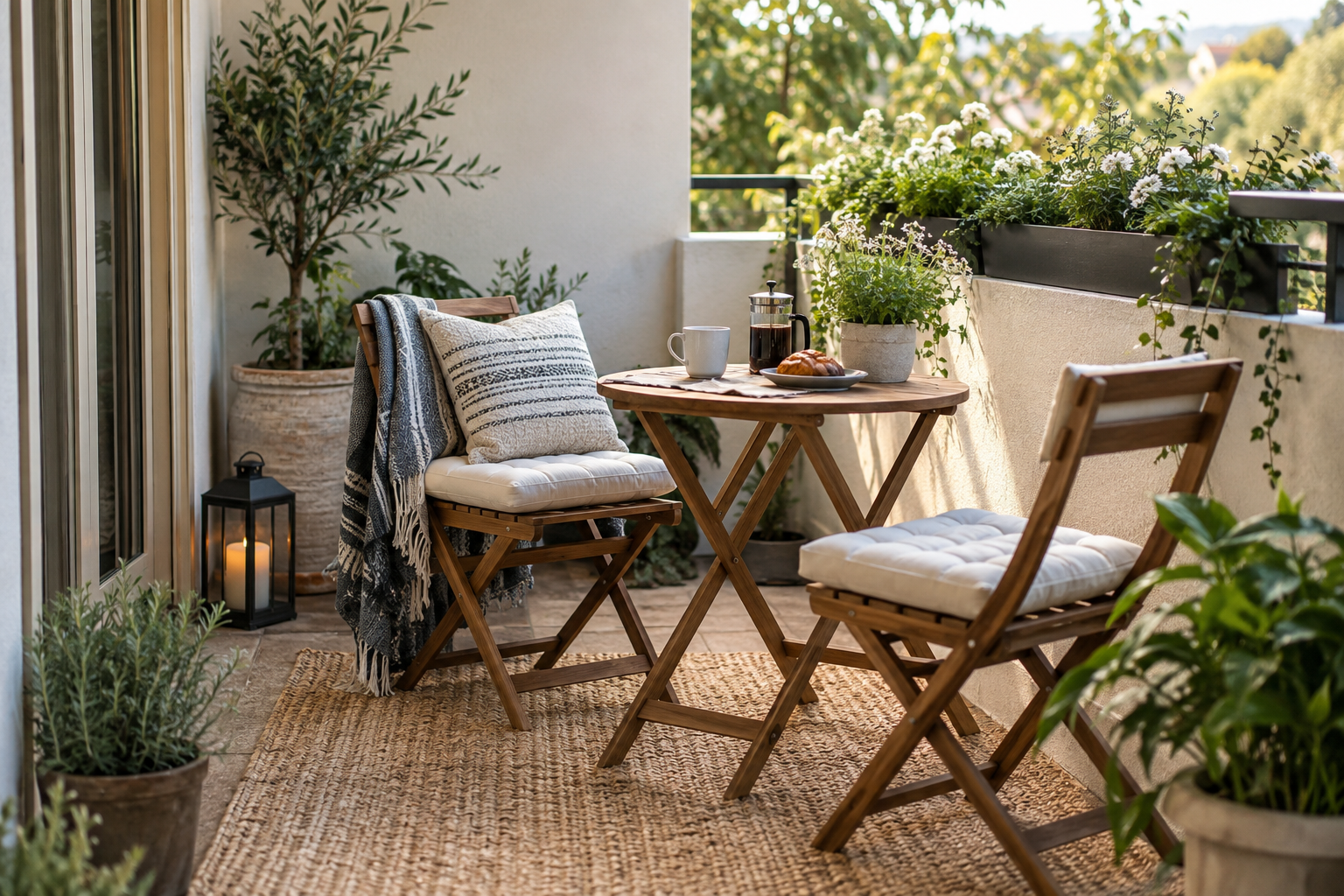
A small patio feels generous when it has one clear job. The most durable choice comes from planning around one defined purpose, comfortable circulation, and furniture that fits the scale. In this guide, the practical focus is scale, purpose, and weather-aware choices.
A small patio can become a useful outdoor room when it is planned around one main activity—morning coffee, two-person meals, reading, container gardening, or a short gathering—rather than trying to hold everything at once. Measure the usable floor area, keep a clear route from the door, and choose furniture that fits the weather and the way the space is actually used.
Observe the area at different times of day and check the condition of surfaces, fasteners, nearby plants, and drainage. Begin by checking the clear floor area, door swings, sun, and wind at the intended seating spot. For set up a comfortable small patio, the first step is to decide what a useful outcome looks like in this particular space.
Watch sun, wind, rain runoff, and privacy at several times of day before buying anything. A warm sunny corner may be uncomfortable at the hour you want to use it, and a low spot may hold water after rain. Check that drainage routes, doors, steps, and utility access remain clear. If the patio is part of a rental, condominium, or shared property, confirm rules for grills, lighting, screens, planters, and attachments before installation.
Use painter’s tape or cardboard to test the footprint of a table and chairs. Leave enough space to pull out a chair and walk past it without stepping off the patio. Folding, stacking, nesting, or bench-style seating can be practical where space is tight, but comfort and stability still matter. Choose materials that suit the climate and your maintenance capacity; cushions and wood may need protected storage, while metal can heat up or corrode depending on exposure.
Keep heavy furniture stable on a level surface and use protective pads only where they will not trap water. Do not overload a raised deck or balcony-like patio; confirm any load or property restrictions. Place planters so they do not block drainage or create a trip hazard, and use saucers or feet only when they do not hold standing water against the surface.
A movable umbrella, shade sail installed with approved support, or a simple screen can improve comfort, but wind load matters. Close and secure umbrellas in strong wind, and do not attach a shade structure to a building unless it is designed and permitted for that use. Use outdoor-rated lighting and cords, keep electrical connections dry, and avoid running cords across walking paths. Warm, low-level light near a door or seating area is often more useful than bright decorative lighting everywhere.
For privacy, start with reversible options such as a freestanding screen, tall containers, or a permitted trellis. Consider sight lines, mature plant size, and access for maintenance. Do not create a barrier that blocks an exit, traps heat, or violates property boundaries or association rules.
At the end of use, return cushions, close umbrellas, remove food, and check for water or debris. Sweep grit before it abrades the surface, inspect furniture after storms, and store seasonal items when weather makes them vulnerable. A small patio stays comfortable when it remains simple enough to reset in a few minutes.
A patio for one person reading needs a different layout from a patio used for two meals or a family with children. Choose the activity before buying accessories. A compact bistro table may suit meals, while a single comfortable chair and side table may be better for reading. If guests are occasional, use foldable extra seating that can be stored safely instead of keeping the patio crowded all week.
Leave the main door and any emergency route unobstructed. Consider nighttime access, mobility needs, and how someone carries a tray, laundry basket, or gardening supplies through the space. Outdoor rugs can define a seating zone, but use one suited to weather, keep its edges flat, and lift it periodically so moisture and debris do not remain beneath it.
Choose a few plants that suit the actual sun, wind, and watering access. Large containers dry differently from small ones and become heavy when watered, so choose their location before filling them. Secure tall plants or lightweight pots where wind is strong, and do not allow runoff to stain or damage the patio below. A limited, healthy group of containers is more comfortable than a crowded collection that blocks movement and needs constant rescue watering.
Review the patio at the end of each season. Repair loose furniture parts, clean surfaces with methods suited to the material, and decide what should be stored, covered, or replaced. That small review keeps outdoor comfort from turning into a costly spring cleanup.
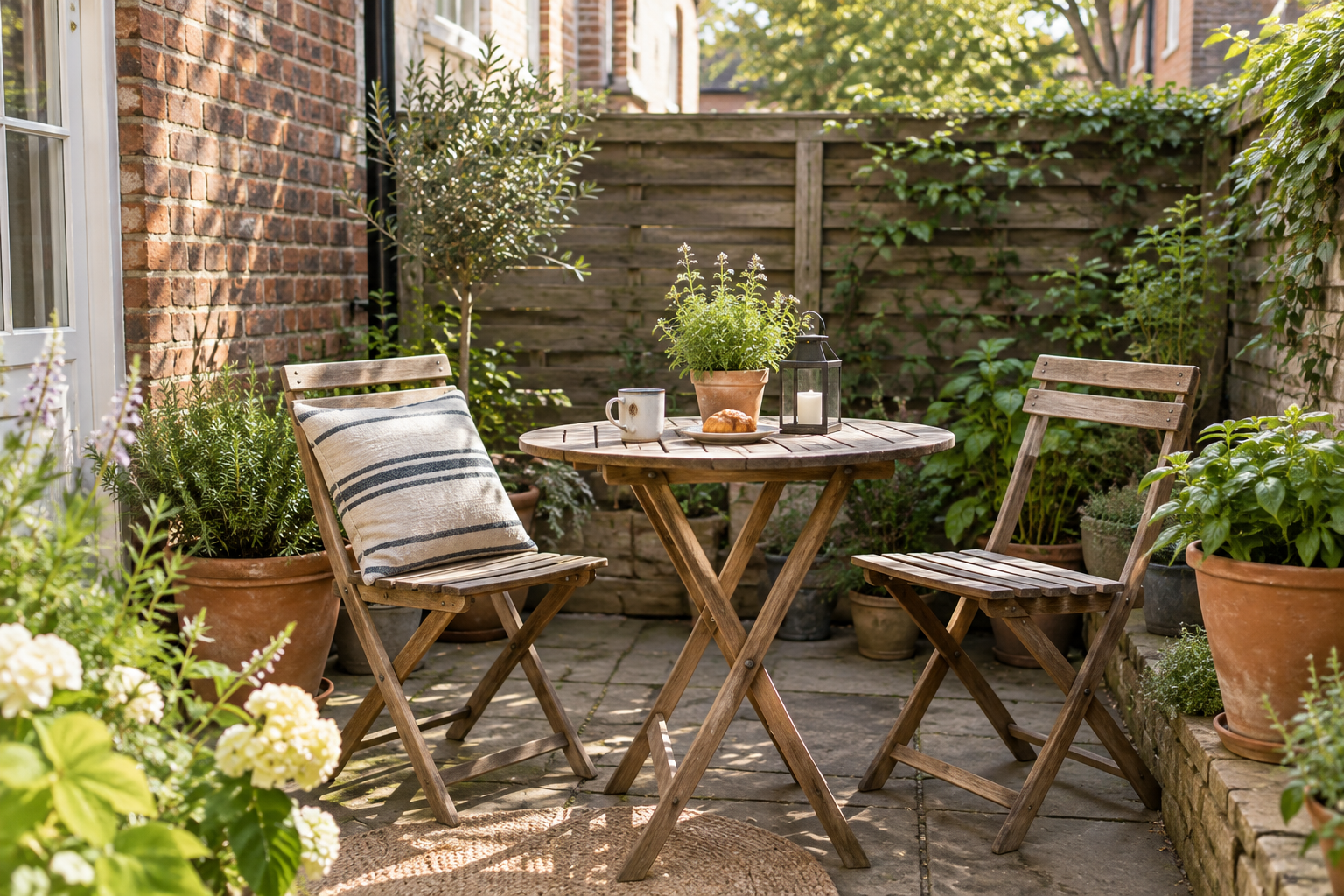
Start with safety and stability before adding anything decorative.
Walk the route as a guest would and notice where movement feels awkward.
Plan for sun, rain, and wind rather than the best-looking moment of the day.
Check fittings and surfaces after the first use or weather change.
Leave yourself an easy cleanup and storage routine for the next time.
Choose materials that suit the actual exposure, leave access for cleaning and maintenance, and correct small hazards before decorating. Weather, moisture, and weight limits matter as much as appearance outdoors. For this project, return to the original purpose—scale, purpose, and weather-aware choices—whenever a choice adds cost, complexity, or maintenance.
In comfortable small patio, keep access and drainage clear, secure items for the site conditions, and treat loose, damaged, or load-bearing features as repair issues rather than ordinary upkeep.
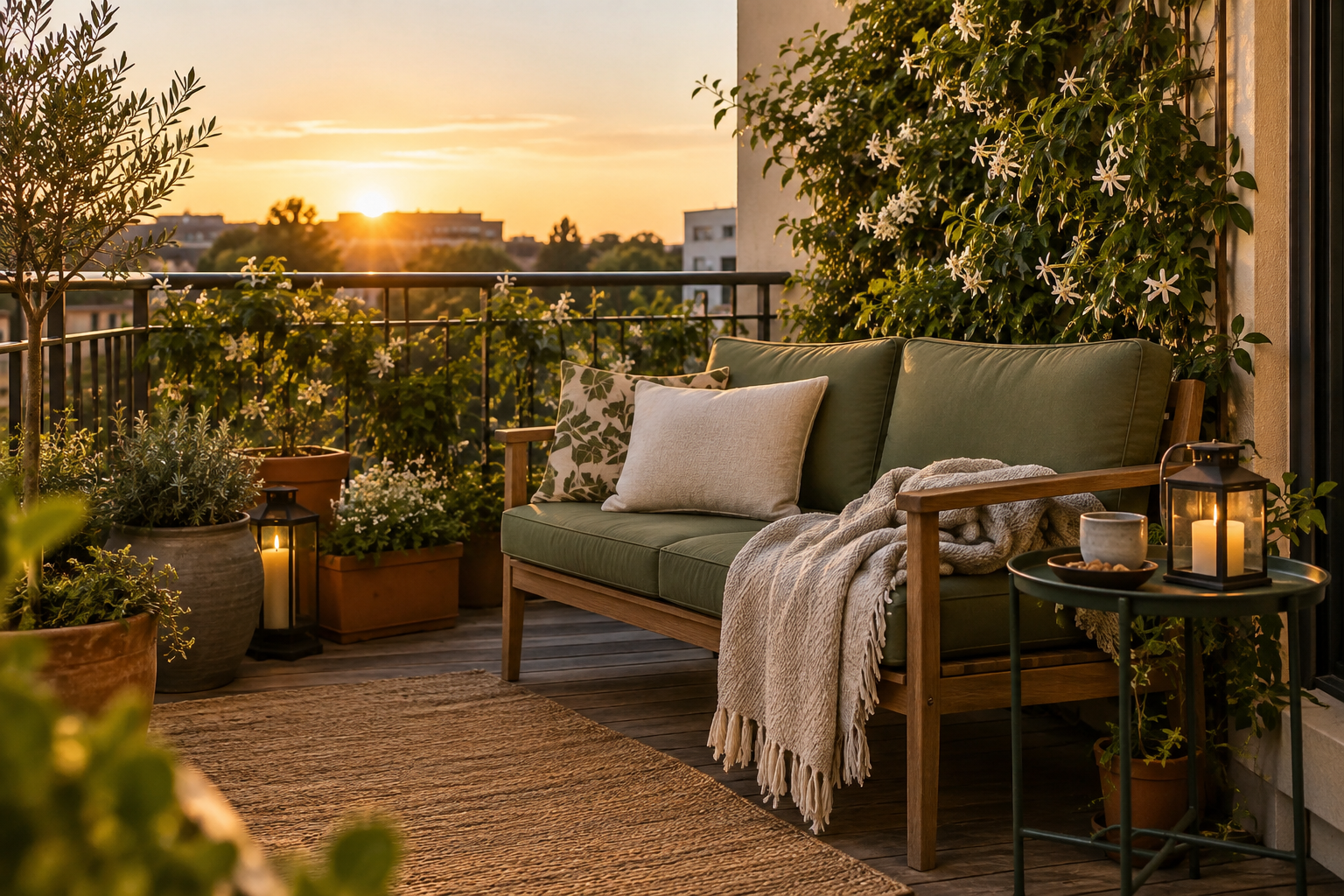
For omfortable mall atio, inspect the space after the weather condition most likely to affect it and adjust only the feature causing the problem.
Choose furniture for the footprint, expected weather, and the number of people who actually use the space. Leave a route to doors, steps, and drainage points, and do not assume a railing or surface can support hanging items or heavy planters. Outdoor cushions need a dry storage plan; containers need drainage and a weight the surface can support. Test the layout during a meal or quiet evening, then remove anything that makes movement, cleaning, or weather preparation harder.