How to Choose Paint Colors That Work Together in a Room
Explore another practical decor & diy guide.
Decor & DIY
Cozy rooms come from comfort cues more than expensive purchases.
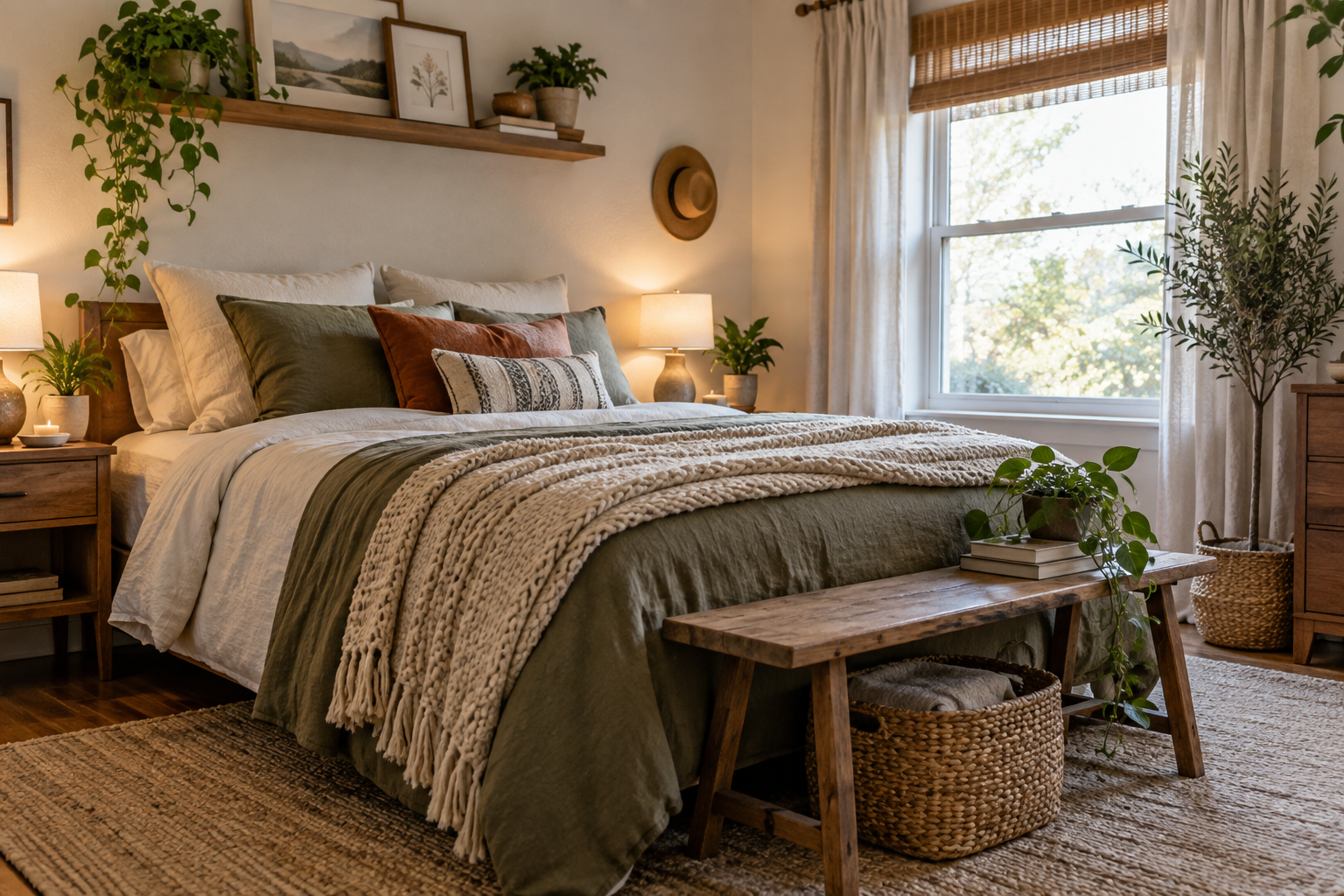
Cozy rooms come from comfort cues more than expensive purchases. A successful update starts with proportion, existing materials, and daily use. Small changes work best when they solve a visible problem rather than copy a temporary trend. In this guide, the practical focus is comfort, layers, and targeted spending.
A cozy bedroom is less about buying a complete matching set and more about making rest easier: a comfortable bed, useful light, a clear route through the room, and a small amount of visual calm. A realistic budget starts with what affects sleep and daily use, then adds texture and personality in layers. Measure before buying, use what is already working, and avoid filling a small room with accessories that become another cleaning task.
Measure the area, inspect the surfaces, and decide what must remain functional. Start by testing the bed, lighting, and one soft layer you will use daily. For create a cozy bedroom on a realistic budget, the first step is to decide what a useful outcome looks like in this particular space.
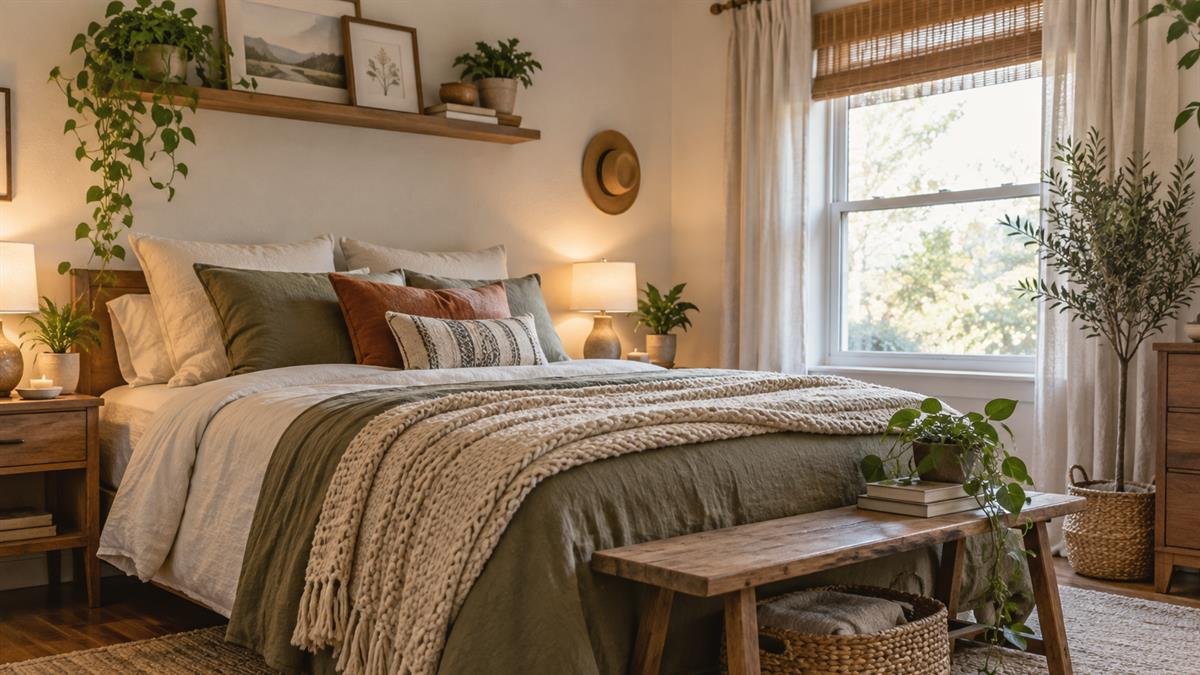
Use painter’s tape, paper, or a temporary arrangement before making a permanent change.
Stand back across the room; proportion is easier to judge from a few steps away.
Keep the route through the room clear while you work.
Choose hardware and materials for the actual surface, not just for the look you want.
Live with the change briefly before adding another layer.
Choose materials and fasteners for the actual wall, floor, or cabinet rather than appearance alone. Keep the work focused on drawer clearance, door swings, and a usable route around the bed; pause before any change that affects building systems. For this project, return to the original purpose—comfort, layers, and targeted spending—whenever a choice adds cost, complexity, or maintenance.
Start with the bed. A clean, supportive mattress and pillows that suit the sleeper matter more than an expensive headboard. Wash or replace worn bedding as the budget allows, and choose layers that match the room’s temperature: a fitted sheet, a breathable cover, and a removable blanket can be more flexible than one heavy item. If the mattress is in good condition but needs more comfort, a compatible topper may be a lower-cost improvement than replacing the entire bed.
Keep a clear route from the door to the bed and to the closet. In a small room, choose bedside surfaces with a real job—lamp, water, glasses, medication as appropriate—rather than filling them with décor. A narrow table, wall-mounted option permitted by the lease, or a compact stool may be enough. Secure cords so they do not cross the walking route or become a nighttime trip hazard.
One bright overhead fixture can make a bedroom feel practical but not restful. Add a bedside lamp or plug-in wall light for reading and a softer ambient source where useful. Choose bulbs according to the fixture’s safety rating and the kind of light you prefer at night. Keep window coverings functional for privacy and sleep, but avoid blocking ventilation or emergency egress. Test light levels before purchasing more lamps.
Color and texture can add warmth without a full repaint. A washable throw, textured pillow cover, rug with a non-slip backing, or framed art can introduce a limited palette. Use colors that work with the floor, existing furniture, and daylight. A small room often benefits from repeating a few materials rather than adding a different pattern on every surface.
List needs before wants: bedding, a safe lamp, window privacy, storage, and then decorative upgrades. Set an amount for each category and buy in stages. Secondhand furniture can be useful when it is stable, clean, and appropriate for the room; inspect it for damage, odor, pests, and safety recalls. Keep receipts and measurements so an item can be returned if it does not fit.
For renters, focus on portable furniture, textiles, and approved reversible changes. Photograph the room before any permitted modification and keep original hardware. A calm bedroom is built through choices that improve sleep and daily routines, not through pressure to make every corner look styled.
Choose one place for laundry, one place for tomorrow’s clothing, and one contained spot for books or current projects. A basket, hook, or small tray is useful only when it shortens a routine. Clear the floor before adding a rug or bench, and keep storage furniture shallow enough that drawers and doors open fully. In a very small bedroom, use the underside of the bed only for clean, labelled seasonal items that can be retrieved without dragging everything out.
Limit display items to the objects that genuinely make the room feel personal. A framed photo, a plant that suits the available light, or a favourite book can add warmth without creating dusting work. If a plant is used, protect the floor or furniture from water and choose a pot with appropriate drainage. Avoid placing candles near bedding, curtains, or places where they may be left unattended; battery-operated alternatives may be more practical.
Sleep in the room, use the lights at night, make the bed, and move through the morning routine before deciding the project is finished. Notice whether the pillow, lamp position, temperature, or storage is the actual discomfort. Adjust the smallest useful thing first. A bedroom that is easy to sleep in and easy to reset will feel more welcoming than one built around a costly, short-lived look.
In cozy bedroom on budget, verify dimensions at the installation point, select hardware suitable for the wall or item, and test the arrangement during normal use before making an irreversible change.
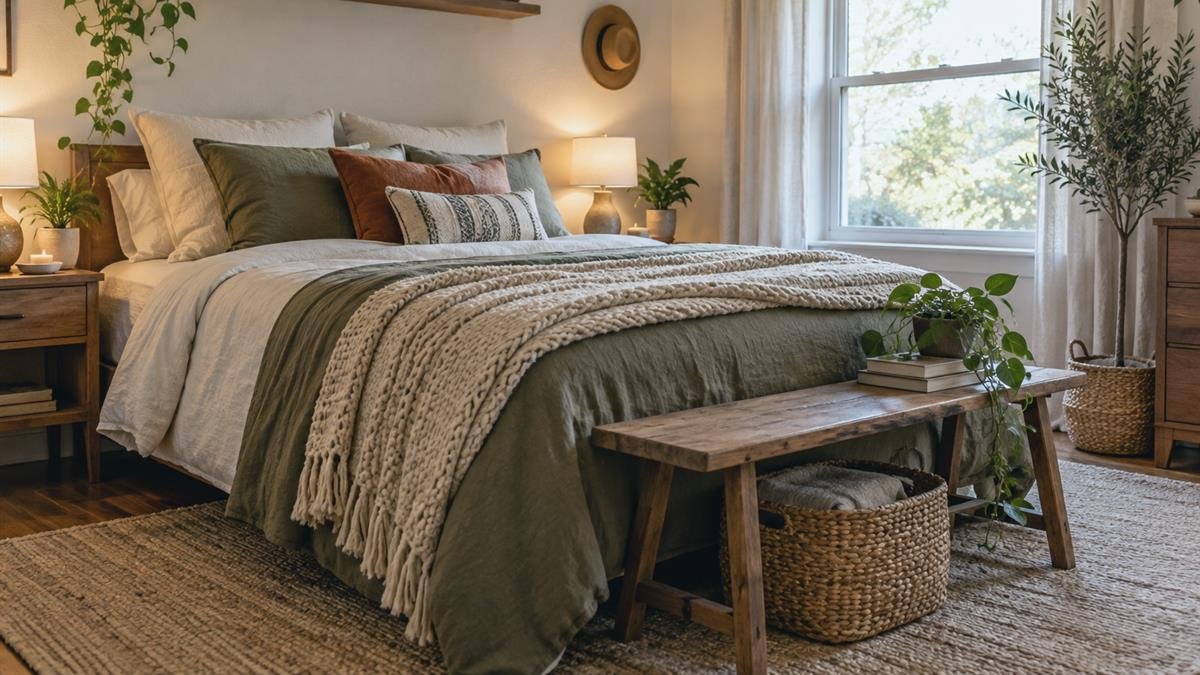
For ozy edroom n udget, judge the result after ordinary use: it should support the room's purpose without making access, cleaning, or maintenance harder.
Spend first on the items used every day: bedding that fits, a workable bedside light, and a way to keep laundry and daily clothing off the floor. Add texture through a washable throw, curtains that suit privacy needs, or a second pillow only when it improves actual comfort. Use warm bulbs only in fixtures rated for them, keep cords clear of the bed, and avoid crowding small surfaces with items that make cleaning harder.
For cozy bedroom on budget, record the observation that changes the next decision: a leak, finish failure, unsafe access, persistent odor, or repeat damage. If a light, outlet, or window treatment needs repair beyond a reversible update, seek the appropriate help rather than treating it as routine care.