How to Choose Paint Colors That Work Together in a Room
Explore another practical decor & diy guide.
Decor & DIY
Rental-friendly decorating should be personal, reversible, and practical.
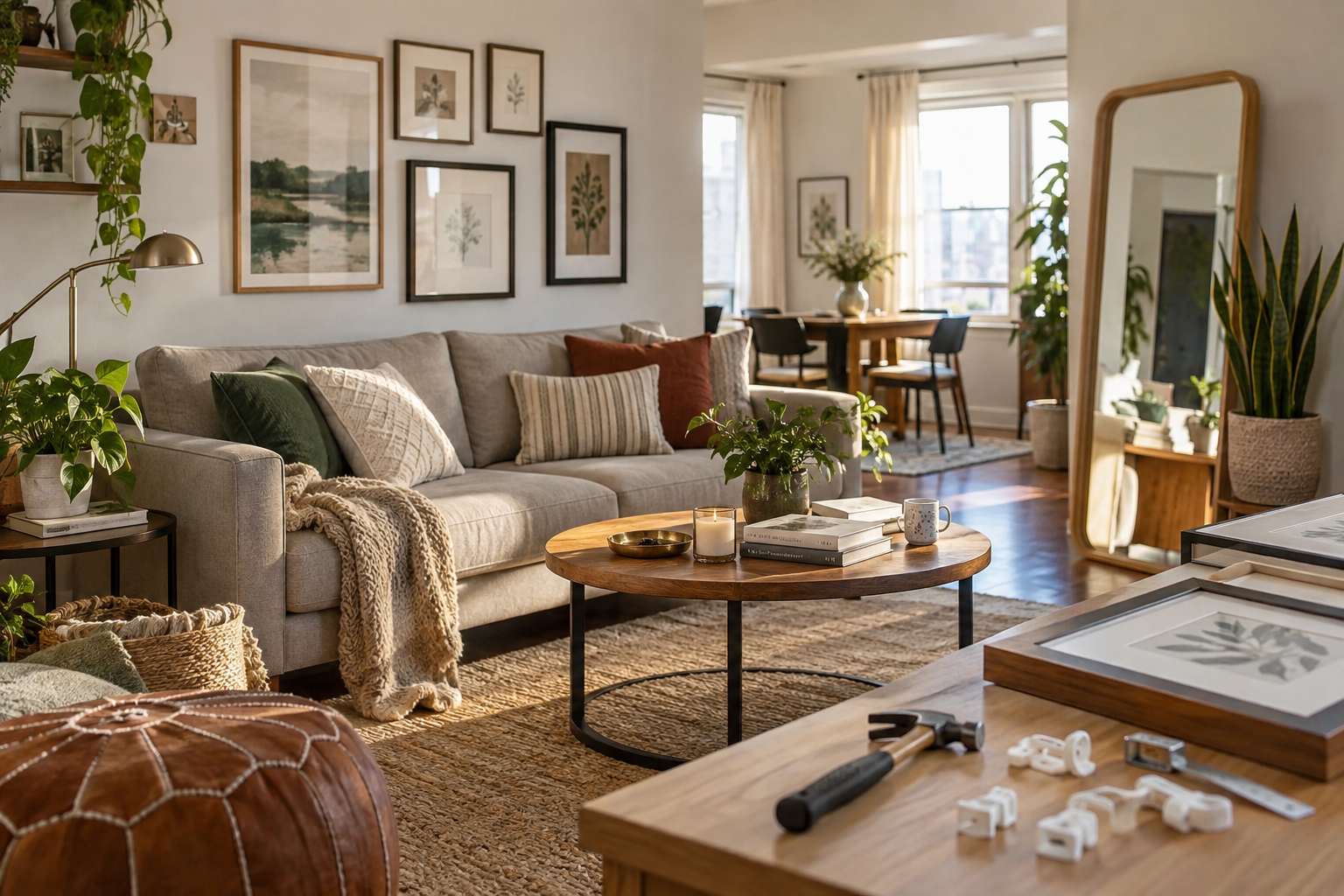
Rental-friendly decorating should be personal, reversible, and practical. A successful update starts with proportion, existing materials, and daily use. Small changes work best when they solve a visible problem rather than copy a temporary trend. In this guide, the practical focus is reversible updates and respect for the lease.
Decorating a rental works best when comfort and personality are balanced with the lease, the existing surfaces, and the work required at move-out. Start with changes that can travel with you: lighting, textiles, furniture, art, plants, and storage. Treat any change to walls, fixtures, floors, or cabinetry as a lease question first, not a design decision.
Measure the area, inspect the surfaces, and decide what must remain functional. Start by testing lease-approved changes, photographs of existing conditions, and one removable update at a time. For decorate a rental without permanent changes, the first step is to decide what a useful outcome looks like in this particular space.
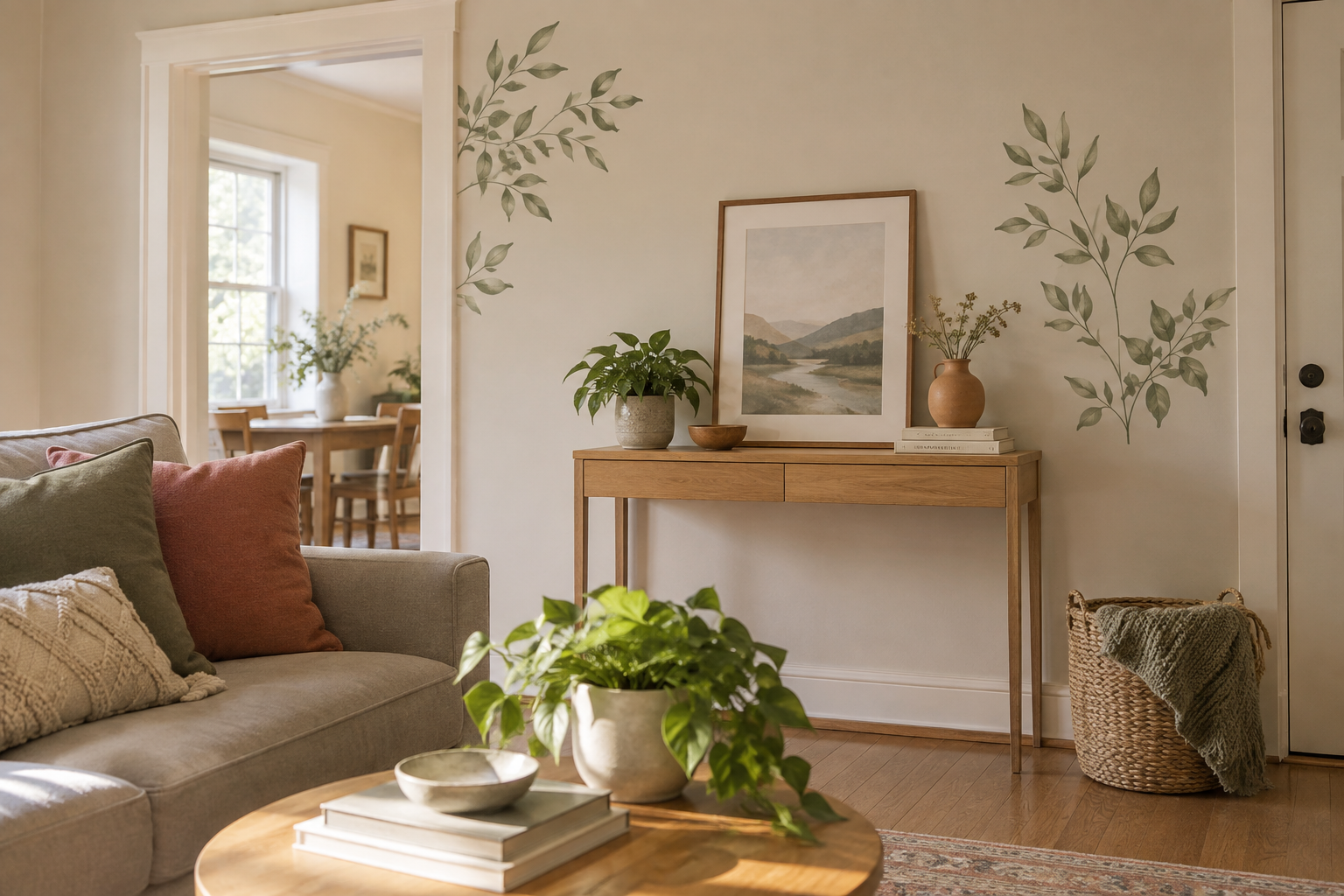
Use painter’s tape, paper, or a temporary arrangement before making a permanent change.
Stand back across the room; proportion is easier to judge from a few steps away.
Keep the route through the room clear while you work.
Choose hardware and materials for the actual surface, not just for the look you want.
Live with the change briefly before adding another layer.
Choose materials and fasteners for the actual wall, floor, or cabinet rather than appearance alone. Keep the work focused on exits, vents, and electrical covers; pause before any change that affects building systems. For this project, return to the original purpose—reversible updates and respect for the lease—whenever a choice adds cost, complexity, or maintenance.
Review the lease, move-in report, and any building rules before painting, drilling, changing hardware, or installing window treatments. Ask the landlord or property manager for written approval when a change is not clearly allowed. Take dated photos and notes of existing marks, damaged flooring, fixtures, and walls before beginning. Keep any approval, receipts, and original hardware together so they are easy to find at move-out.
Do not assume removable products are damage-free on every surface. Adhesive hooks, peel-and-stick coverings, and temporary mounts can lift paint, leave residue, or fail on textured walls. Test a small hidden area and follow removal instructions. Never cover vents, modify electrical wiring, block fire exits, or make changes that interfere with building safety systems.
Rugs, curtains installed with approved hardware, lamps, removable shades, art, bedding, and furniture can change a room without altering the building. Use a rug size that supports the furniture layout and a lamp where a dark corner needs usable light. Choose storage furniture that fits the room and can serve a future home rather than adding built-ins that may not be permitted. Plants can add color, but protect floors and sills from water with suitable trays.
For kitchens and bathrooms, add function first: a rolling cart that does not block access, a drawer organizer, a freestanding shelf secured only where allowed, or a shower caddy can improve daily use. Keep original cabinet handles, shelf parts, and fixtures in a labelled bag if a permitted swap is made. Store them safely rather than assuming replacements will be easy to match later.
Photograph each step, retain product instructions, and keep a small move-out checklist. If you paint with permission, record the exact color, sheen, brand, and approval terms. If you hang art, use the least invasive method appropriate for the wall and the item’s weight. Heavy objects, televisions, and shelving require proper support; when in doubt, seek qualified help rather than trusting an unknown wall anchor.
Before moving out, compare the space with the original documentation, remove temporary products slowly, patch only as permitted, and clean surfaces according to the lease. A rental can feel like home without creating a costly restoration project. The most successful choices are enjoyable now and straightforward to reverse later.
Use layout before decoration to solve the largest problem. In a narrow living room, keep the path from door to window clear and avoid a large piece that forces people to walk around it. In a bedroom with limited closet space, use a freestanding wardrobe or under-bed storage only if it does not damage floors or block safe movement. In a small dining area, a drop-leaf table or stackable seating can provide flexibility without permanent installation.
Choose a few repeatable colors and materials rather than buying small decorative objects for every empty surface. A textile, a piece of art, and a lamp can create a coherent room more effectively than many accessories. Use window coverings that suit privacy and light needs, but confirm building rules for exterior-facing treatments. If a room needs more light, add a plug-in lamp instead of modifying fixed wiring.
Make a short priority list: a safe mattress, workable seating, task lighting, privacy, and storage usually matter more than a trend-driven accent. Buy slowly enough to measure, compare, and live with the layout. Secondhand pieces can be valuable when they are clean, stable, and appropriate for the space; inspect them for pests, damage, and safety recalls before bringing them home.
Keep receipts and a simple inventory of items that belong to you. It helps with moving, insurance records, and decisions about what is worth carrying to the next home. A rental-friendly room should improve daily life without making future mobility harder.
In decorate a rental, verify dimensions at the installation point, select hardware suitable for the wall or item, and test the arrangement during normal use before making an irreversible change.
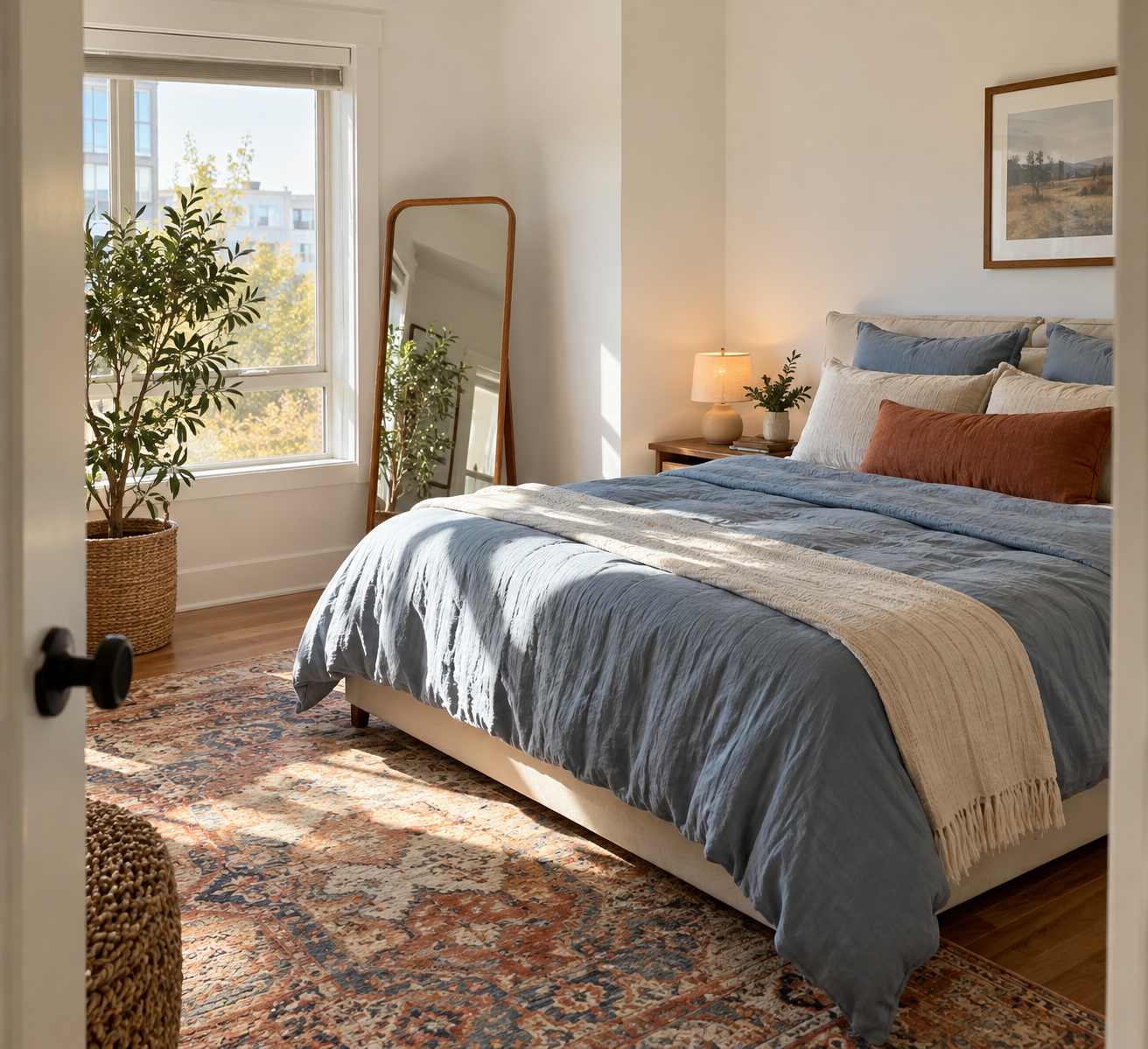
For ecorate ental, judge the result after ordinary use: it should support the room's purpose without making access, cleaning, or maintenance harder.
Keep written permission for changes that affect walls, fixtures, or exterior areas. Removable products still need a clean, compatible surface and careful removal; test one small area before using many. Use freestanding lighting, textiles, art supports, and storage that can move with you, but do not overload outlets or block exits. Photograph the original condition and retain the move-in checklist so decorating stays separate from damage disputes.
For decorate a rental, record the observation that changes the next decision: a leak, finish failure, unsafe access, persistent odor, or repeat damage. If a leak, loose fixture, or electrical concern appears, report it to the landlord, seek the appropriate help rather than treating it as routine care.