How to Set Up a Comfortable Small Patio
Explore another practical outdoor living guide.
Outdoor Living
Dry-weather lawn care is about reducing stress, not forcing fast growth.
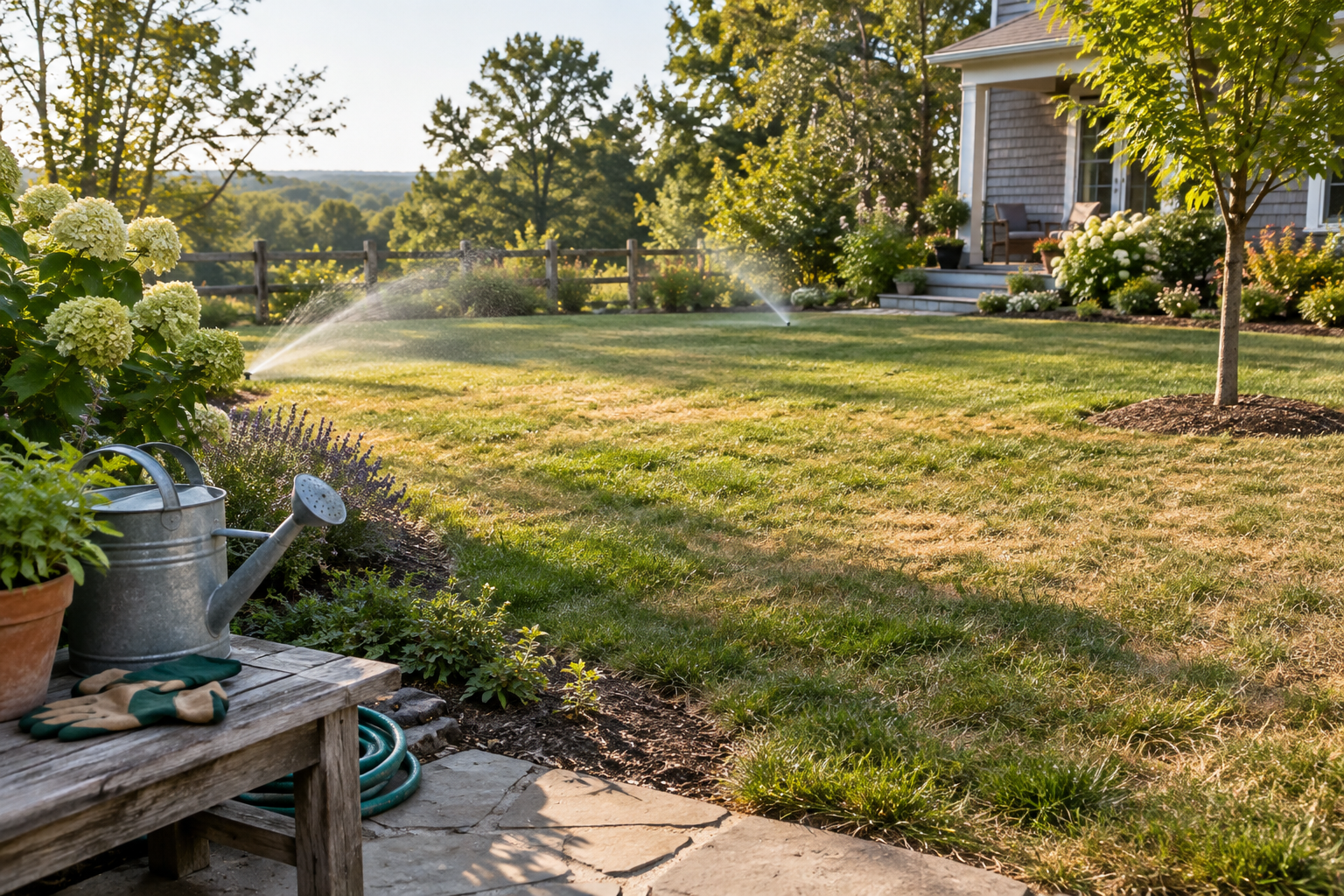
Dry-weather lawn care is about reducing stress, not forcing fast growth. The most durable choice comes from planning around mowing height, watering depth, traffic, and heat stress. In this guide, the practical focus is watering discipline and reduced stress.
Dry-weather lawn care is about protecting the grass and the soil, not keeping every blade bright green at any cost. The right response depends on grass type, local water rules, soil, heat, and whether the lawn is established or newly seeded. Start with water restrictions and an honest assessment of what the lawn needs; drought stress, dormancy, disease, and irrigation failure can look similar from a distance.
Observe the area at different times of day and check the condition of surfaces, fasteners, nearby plants, and drainage. Begin by checking watering limits, irrigation coverage, and the grass type already growing. For care for a lawn during dry weather, the first step is to decide what a useful outcome looks like in this particular space.
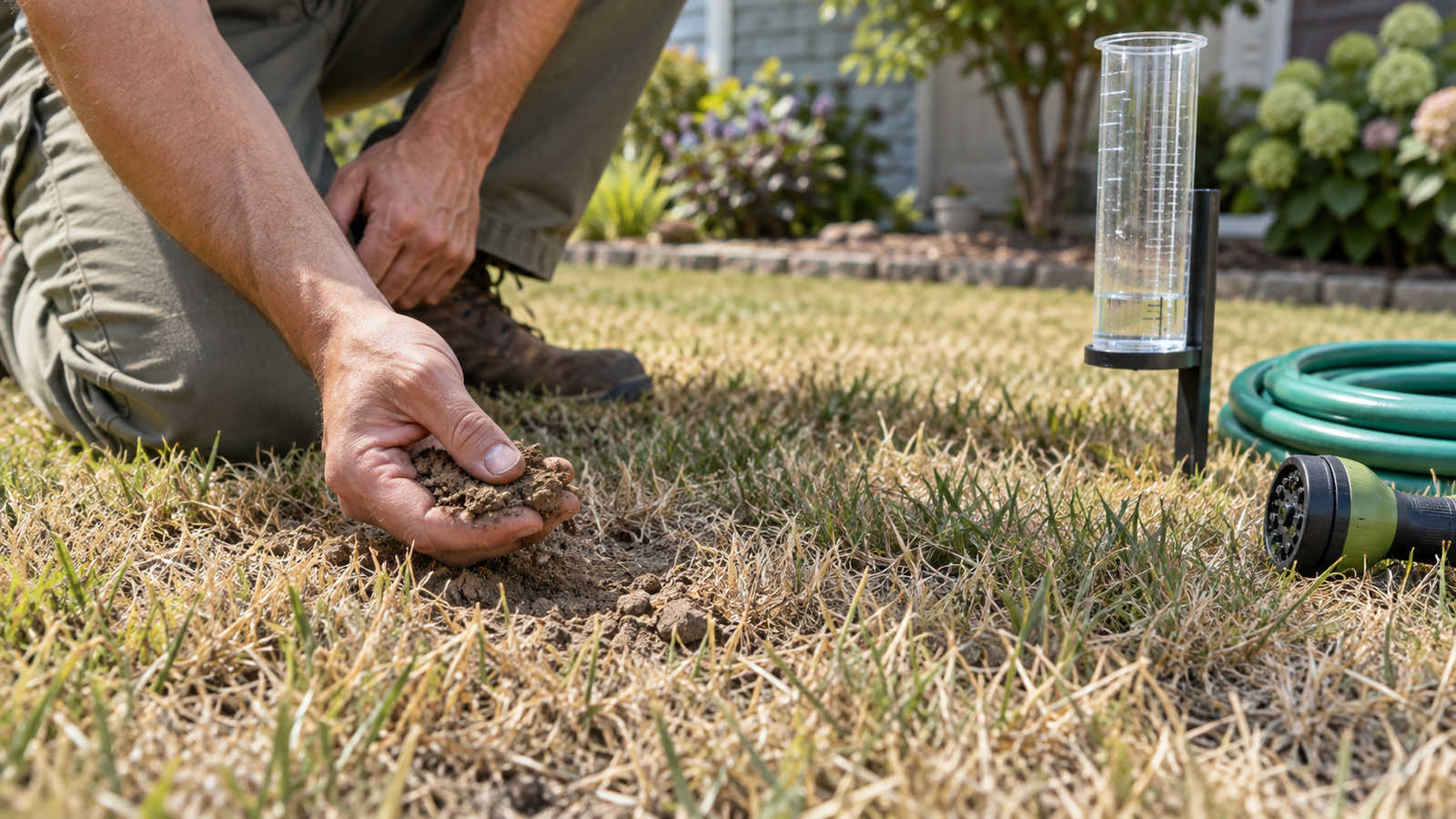
Know whether the lawn is a cool-season or warm-season grass if possible, and note shaded, compacted, or high-traffic areas. Follow local rules for watering days, hours, and drought restrictions before adjusting irrigation. Check that sprinklers are not watering pavement or running into drains. A simple catch-can test or visual check can reveal uneven coverage, but avoid digging or changing irrigation systems if you are not confident about utility lines and local requirements.
When watering is permitted, apply water slowly enough to soak into the root zone rather than running off compacted soil. Early morning is often preferable because there is less evaporation and foliage can dry. The needed amount varies by grass, soil, temperature, and rainfall, so observe the lawn instead of using a universal schedule. A screwdriver or soil probe can help check whether moisture has reached below the surface.
New sod, seed, and recently planted grass have different needs from an established lawn and should follow local or supplier guidance. Do not repeatedly water a dry patch without identifying whether the issue is heat, a sprinkler problem, compacted soil, pests, or shade. Repair leaks and misdirected heads promptly. Conserving water is part of lawn care, not a separate concern.
Raise the mowing height within the recommended range for the grass type during dry weather; slightly longer blades shade the soil and reduce evaporation. Keep mower blades sharp so they cut cleanly instead of tearing grass. Avoid mowing during the hottest part of the day or when the lawn is severely stressed. Leave clippings only when they are short and can settle into the turf; thick clumps can block light and contribute to problems.
Reduce foot traffic on brittle or dormant grass, and avoid heavy equipment that compacts dry soil. Postpone aggressive aeration, dethatching, renovation, or high-nitrogen feeding until conditions and grass type make those practices appropriate. Forcing fast new growth during heat can increase water demand and stress.
Some established lawns may turn brown and go dormant during drought, then recover when suitable moisture and temperatures return. That is different from dead turf, but local grass type and conditions matter. Watch for pests, disease patches, and areas that do not recover after improved conditions. Keep a record of drought periods, watering, and problem areas so fall or spring repairs can be targeted rather than treating the whole lawn blindly.
Dry weather exposes underlying soil problems. Compacted areas, shallow roots, poor drainage, and thin turf may need a longer-term plan rather than emergency watering. When the season and grass type are appropriate, improve soil conditions with practices recommended locally, such as targeted aeration, overseeding, or adjustment of mowing and irrigation habits. A local extension service or qualified lawn professional can help identify grass type and the right season for renovation.
Consider reducing the area that needs intensive lawn care. A properly designed bed, ground cover, mulch area, or drought-tolerant planting can reduce water demand where turf struggles repeatedly. Check local guidance and property rules before changing the landscape. The goal is not to eliminate every brown blade; it is to create an outdoor space that matches the climate, available water, and maintenance capacity.
When conditions improve, resume normal care gradually. Avoid an immediate heavy fertilizer application or very short mowing. Watch the lawn for several weeks, note which areas green up, and repair only the places that need it. A patient recovery plan protects water, soil, and turf better than trying to force a sudden cosmetic change.
Start with safety and stability before adding anything decorative.
Walk the route as a guest would and notice where movement feels awkward.
Plan for sun, rain, and wind rather than the best-looking moment of the day.
Check fittings and surfaces after the first use or weather change.
Leave yourself an easy cleanup and storage routine for the next time.
Choose materials that suit the actual exposure, leave access for cleaning and maintenance, and correct small hazards before decorating. Weather, moisture, and weight limits matter as much as appearance outdoors. For this project, return to the original purpose—watering discipline and reduced stress—whenever a choice adds cost, complexity, or maintenance.
In care for lawn dry weather, keep access and drainage clear, secure items for the site conditions, and treat loose, damaged, or load-bearing features as repair issues rather than ordinary upkeep.
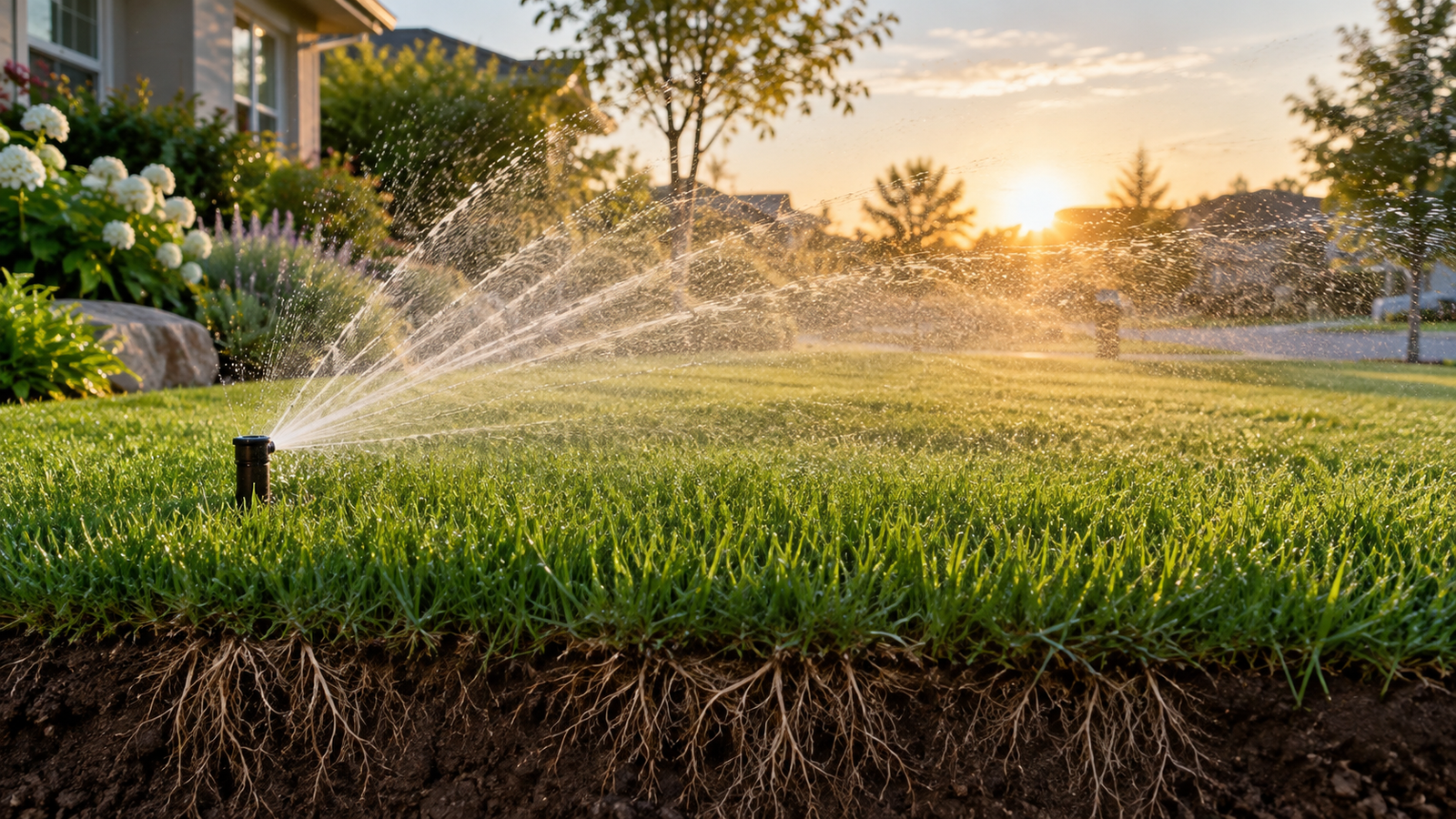
For are or awn ry eather, inspect the space after the weather condition most likely to affect it and adjust only the feature causing the problem.
Different grass types, soil, shade, and local restrictions change the right response to drought. Check moisture below the surface before watering, and follow municipal schedules or conservation rules where they apply. Raise mowing height within the range suitable for the grass, keep blades sharp, and leave clippings when they are not excessive. Do not fertilize or apply products simply because the lawn looks stressed; first determine whether heat, compaction, pests, or lack of water is the cause.
A lawn may slow growth or become dormant during drought. Focus on preventing lasting damage and follow local guidance before trying to force green growth with extra water or fertilizer.
For care for lawn dry weather, record the observation that changes the next decision: a leak, finish failure, unsafe access, persistent odor, or repeat damage. If a slow soak does not improve a patch, inspect for compaction, pests, or irrigation gaps, seek the appropriate help rather than treating it as routine care.