How to Set Up a Comfortable Small Patio
Explore another practical outdoor living guide.
Outdoor Living
A balcony becomes useful when every item earns its footprint.

A balcony becomes useful when every item earns its footprint. The most durable choice comes from planning around a layout that respects the door swing, weight limits, and secure placement. In this guide, the practical focus is weight limits, scale, and apartment rules.
A balcony can be a useful outdoor room when it remains safe, clear, and manageable in wind and weather. The first decision is not décor; it is what the building allows, what the structure can safely carry, and how water drains. Choose a small number of lightweight, weather-suitable items that support one activity such as coffee, reading, fresh air, or container gardening.
Observe the area at different times of day and check the condition of surfaces, fasteners, nearby plants, and drainage. Begin by checking building load limits, attachment rules, and wind exposure. For make a balcony feel like a usable outdoor room, the first step is to decide what a useful outcome looks like in this particular space.
Read the lease, condominium rules, and building guidance before adding planters, screens, grills, lights, flooring, or any attachment to rails or walls. Do not guess a balcony’s load limit or assume that a heavy collection of pots, water, soil, furniture, and people is safe. Ask the building manager or a qualified professional when load, railing, or attachment questions are unclear. Keep exits, drains, fire routes, and maintenance access clear.
Measure the usable floor area and door swing, then tape out the footprint of a chair, table, or planter before buying it. Leave a clear route to the door and a place to stand while opening it. Folding or nesting furniture can offer flexibility, but it must remain stable and be secured or brought inside when wind is expected. Do not lean large items against railings or use the railing as furniture support.
Balconies can be much windier than ground-level patios. Lightweight chairs, umbrellas, loose rugs, décor, and tall plants can become hazards. Use only products designed for the exposure, follow manufacturer anchoring instructions, and remove or store vulnerable items before high wind. Avoid attaching shade sails, screens, or hanging items without written approval and a system designed for the building.
Keep drains visible and free of soil, leaves, and furniture feet. Use planters with appropriate drainage management so water does not run onto balconies or entrances below. Place containers before filling them, because wet soil is heavy. Choose plants for actual sun, wind, and watering access, and use a modest number of containers that you can safely care for. Do not allow a drip tray to hold standing water or stain the surface.
Use outdoor-rated flooring or mats only when permitted and when they do not trap water, block drainage, or create a trip edge. Clean grit regularly and inspect the surface after rain. Report cracks, loose railings, water intrusion, or damaged drainage promptly; decorating cannot correct building-maintenance issues.
After using the balcony, bring in food, secure cushions, check weather, and return items to their safe positions. Keep a small storage solution inside for items that cannot remain outdoors. A balcony feels more usable when it can be made ready in minutes, not when it becomes an outdoor storage room.
A balcony used for a morning drink may need only two chairs and a small stable table. A reading balcony may need one comfortable seat, shade at the right hour, and a place for a book and water. A gardening balcony needs safe, manageable containers and a cleaning routine. Trying to make one narrow space serve dining, storage, exercise, entertaining, and gardening at once often blocks the path and increases the load.
Choose materials that handle the exposure and can be moved when building work, storms, or seasonal weather require it. Check chair feet on the actual surface, use cushions that dry quickly, and avoid glass or fragile décor where wind is strong. If a rug or screen is permitted, inspect it after rain and wind so it does not trap moisture or create a hazard.
Use permitted, lightweight, reversible solutions for privacy rather than attaching unapproved materials to railings or exterior walls. A plant placed inside the railing line, a freestanding screen rated for the space, or an approved blind may be enough to interrupt a direct view. Keep the railing itself clear so building inspections, drainage, and emergency access are not affected. Respect neighboring balconies and avoid objects that can fall or drip onto spaces below.
Review the balcony at the start and end of each season. Remove damaged items, clean the drainage area, check furniture hardware, and make a plan for severe weather. A small balcony becomes a genuine outdoor room when its comfort does not compromise the building or the people around it.

Start with safety and stability before adding anything decorative.
Walk the route as a guest would and notice where movement feels awkward.
Plan for sun, rain, and wind rather than the best-looking moment of the day.
Check fittings and surfaces after the first use or weather change.
Leave yourself an easy cleanup and storage routine for the next time.
Choose materials that suit the actual exposure, leave access for cleaning and maintenance, and correct small hazards before decorating. Weather, moisture, and weight limits matter as much as appearance outdoors. For this project, return to the original purpose—weight limits, scale, and apartment rules—whenever a choice adds cost, complexity, or maintenance.
In make balcony usable, keep access and drainage clear, secure items for the site conditions, and treat loose, damaged, or load-bearing features as repair issues rather than ordinary upkeep.
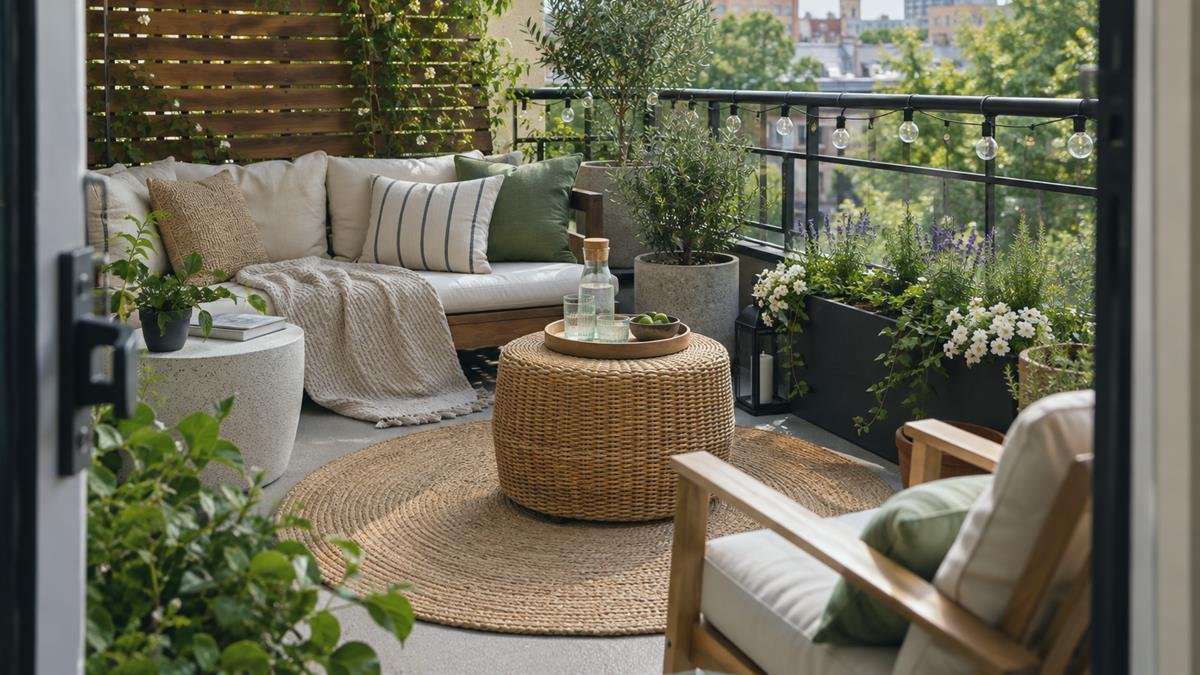
For ake alcony sable, inspect the space after the weather condition most likely to affect it and adjust only the feature causing the problem.
Confirm building rules before adding screens, planters, grills, or attachments, and never assume a railing, wall, or balcony slab can carry extra weight. Choose light, weather-appropriate furniture, secure loose items in wind, and keep drains, doors, and emergency access clear. Containers need drainage and a manageable weight when wet. A small folding table and two chairs can be more usable than a crowded arrangement that prevents safe movement or cleaning.