How to Set Up a Comfortable Small Patio
Explore another practical outdoor living guide.
Outdoor Living
A welcoming gathering space is safe, comfortable, and easy to move through.
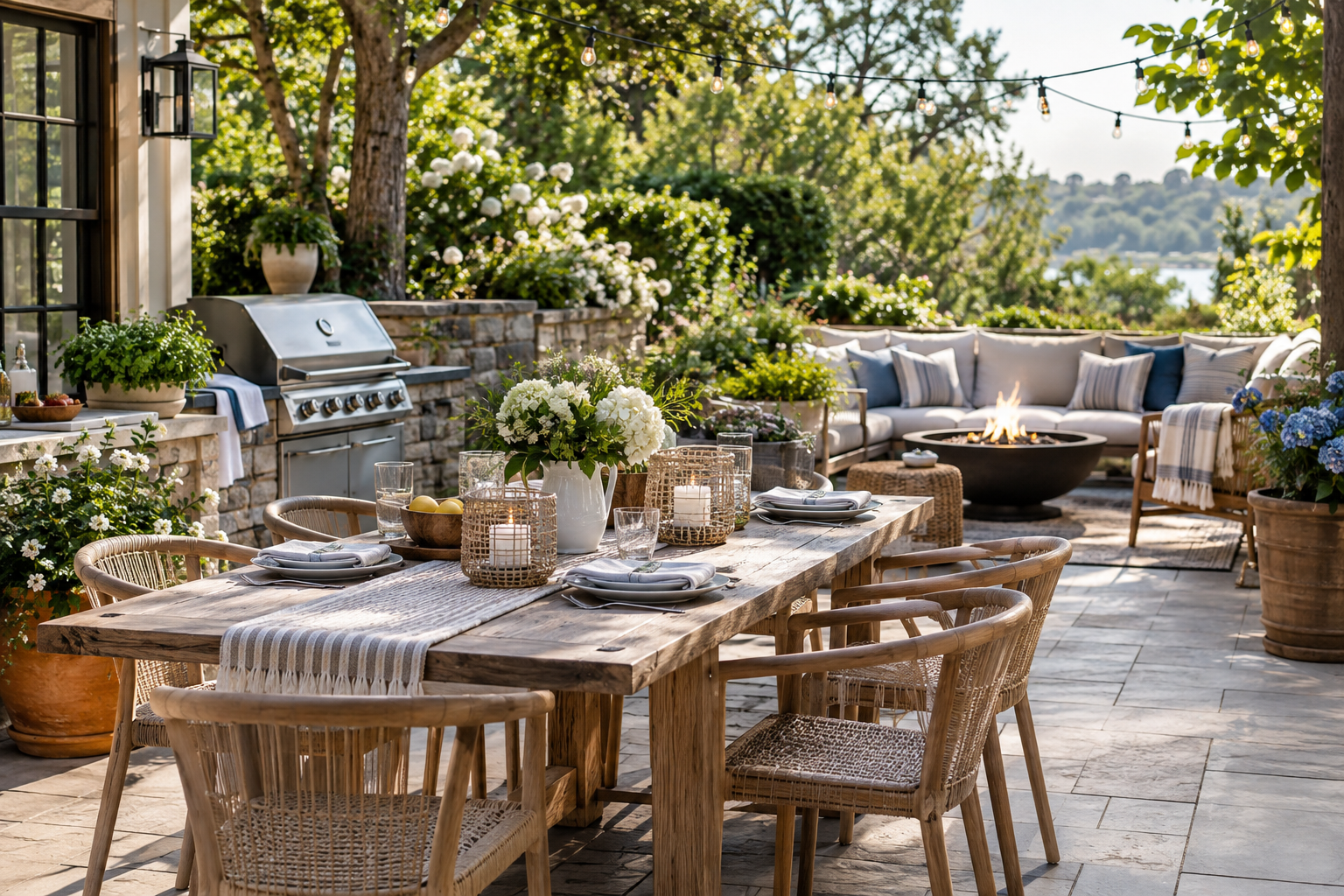
A welcoming gathering space is safe, comfortable, and easy to move through. The most durable choice comes from planning around shade, seating, food placement, and paths for the number of expected guests. In this guide, the practical focus is comfort, safety, and simple hosting flow.
A summer gathering space works when guests can move safely, find shade, sit comfortably, and leave without navigating clutter, cords, or wet surfaces. Begin with the actual route people will take from the house to seating, food, and a restroom. Then inspect the area in the heat and at night, when sun exposure and lighting problems are easier to notice.
Observe the area at different times of day and check the condition of surfaces, fasteners, nearby plants, and drainage. Begin by checking the kitchen-to-seating route, outdoor lighting, and local noise expectations. For prepare outdoor spaces for summer gatherings, the first step is to decide what a useful outcome looks like in this particular space.
Check steps, deck boards, railings, patio surfaces, furniture, and walkways before inviting anyone. Repair or block off unstable areas, remove tripping hazards, and make sure gates and doors open freely. Observe drainage after rain and do not cover routes where water needs to flow. If the property is rented or shared, check rules for grills, outdoor lighting, noise, structures, and guest use before adding equipment.
Place seating where there is useful shade at the time people will gather, not only at midday. An umbrella, shade structure, or tree canopy can help, but wind loading and clearance matter. Secure or close umbrellas in strong wind, and do not attach a sail or canopy to a structure unless it is designed and permitted for that load. Offer water, use breathable seating materials, and leave an indoor or covered fallback option when heat, rain, or storms make outdoor use uncomfortable.
Keep paths clear between seating, food, and exits. Use a small number of stable chairs instead of crowding the space with extra furniture. Check that tables do not wobble and that children, older guests, and anyone using mobility aids have a usable route. Outdoor rugs and cords should lie flat and be appropriate for the weather; remove them if they create a slip or trip hazard.
Use outdoor-rated lighting and extension equipment only as instructed, keep connections dry, and avoid running cords across walkways. Low-level lighting near steps and doors is often more useful than decorative glare. For grilling or fire features, follow manufacturer clearances, fuel instructions, local rules, and supervision requirements. Keep combustible cushions, décor, and vegetation away from heat sources, and never use an outdoor cooking appliance in an enclosed area.
Keep food covered, chilled or hot as appropriate, and separate raw-food preparation from serving areas. Provide a lidded bin for waste and remove food scraps promptly to discourage pests. A simple station with napkins, water, utensils, and a cleanup bag reduces repeated trips through the house and helps the space stay usable during the gathering.
Before guests arrive, decide where cushions, dishes, toys, and trash will go afterward. Check furniture and lighting after the first use, sweep debris, and store food and vulnerable items before overnight moisture or animals become a problem. A gathering space is more enjoyable when the cleanup is planned as part of the setup.
Arrange the space so conversation does not force people to sit in direct afternoon sun or beside a hot grill. Leave a central circulation route and place a small side table within reach of seating rather than balancing drinks on railings or the ground. If children will attend, remove breakable décor from play zones and keep gates, pools, tools, and chemicals secured. If pets will be present, provide a shaded water area and keep human food, fire features, and toxic plants out of reach.
Think through bathroom access and indoor routes as well. Protect indoor floors with an appropriate mat, identify a place for wet towels or swimsuits, and keep doors unobstructed. If the gathering is in a small yard, limit the number of activities so the space does not become a crowded obstacle course. A calm, functional layout is usually more welcoming than a heavily decorated one.
Review heat, air-quality, wind, and storm forecasts on the day of the event. Change plans when conditions make outdoor activity unsafe or uncomfortable. Follow local restrictions on water use, open flame, fireworks, parking, and noise. A clear backup plan—a shorter gathering, a covered area, or indoor seating—protects both guests and the property without turning a weather change into an emergency.
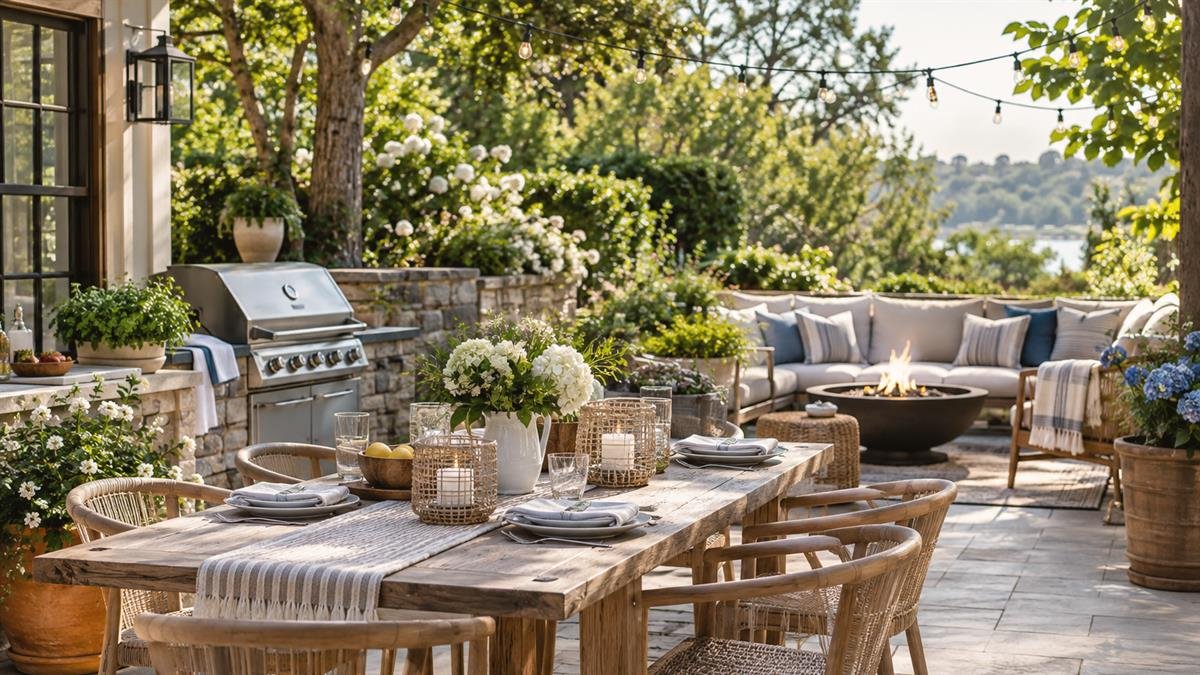
Start with safety and stability before adding anything decorative.
Walk the route as a guest would and notice where movement feels awkward.
Plan for sun, rain, and wind rather than the best-looking moment of the day.
Check fittings and surfaces after the first use or weather change.
Leave yourself an easy cleanup and storage routine for the next time.
Choose materials that suit the actual exposure, leave access for cleaning and maintenance, and correct small hazards before decorating. Weather, moisture, and weight limits matter as much as appearance outdoors. For this project, return to the original purpose—comfort, safety, and simple hosting flow—whenever a choice adds cost, complexity, or maintenance.
In prepare outdoor space for summer, keep access and drainage clear, secure items for the site conditions, and treat loose, damaged, or load-bearing features as repair issues rather than ordinary upkeep.
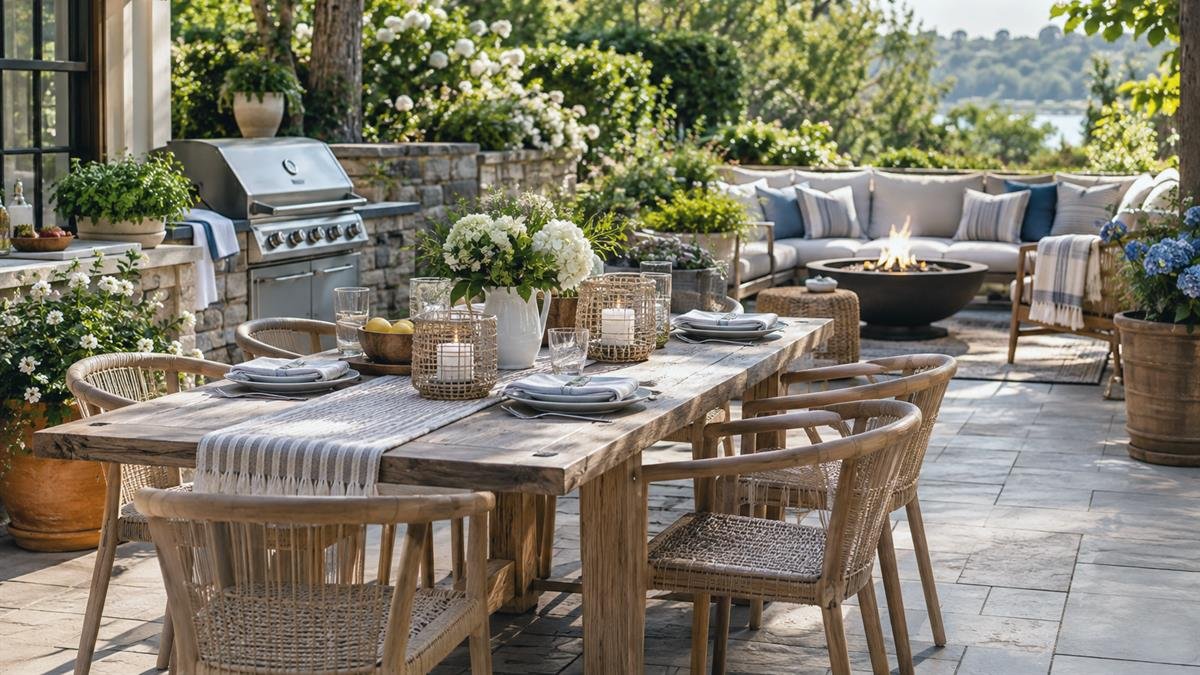
For repare utdoor pace or ummer, inspect the space after the weather condition most likely to affect it and adjust only the feature causing the problem.
Begin with a safety walk: clear a route to doors and steps, check lighting, inspect outdoor furniture and shade hardware, and remove standing water. Clean grills only according to their maker's instructions, keep combustible materials at a safe distance, and confirm hoses or extension cords do not cross walking paths. Use shade, drinking water, and a simple storage plan for cushions and tools so the space can be reset quickly after use or changing weather.
Check local restrictions before using open flames, water features, or outdoor electrical equipment. Keep a first-aid kit and a charged phone accessible when projects involve tools or heat.
For prepare outdoor space for summer, record the observation that changes the next decision: a leak, finish failure, unsafe access, persistent odor, or repeat damage. If lighting, a railing, or a surface needs more than routine care, fix that safety issue first, seek the appropriate help rather than treating it as routine care.